Pentagon Orders 10,000+ Low-Cost Containerized Missiles; Anti-Ship Variants Planned Across Five Contractors
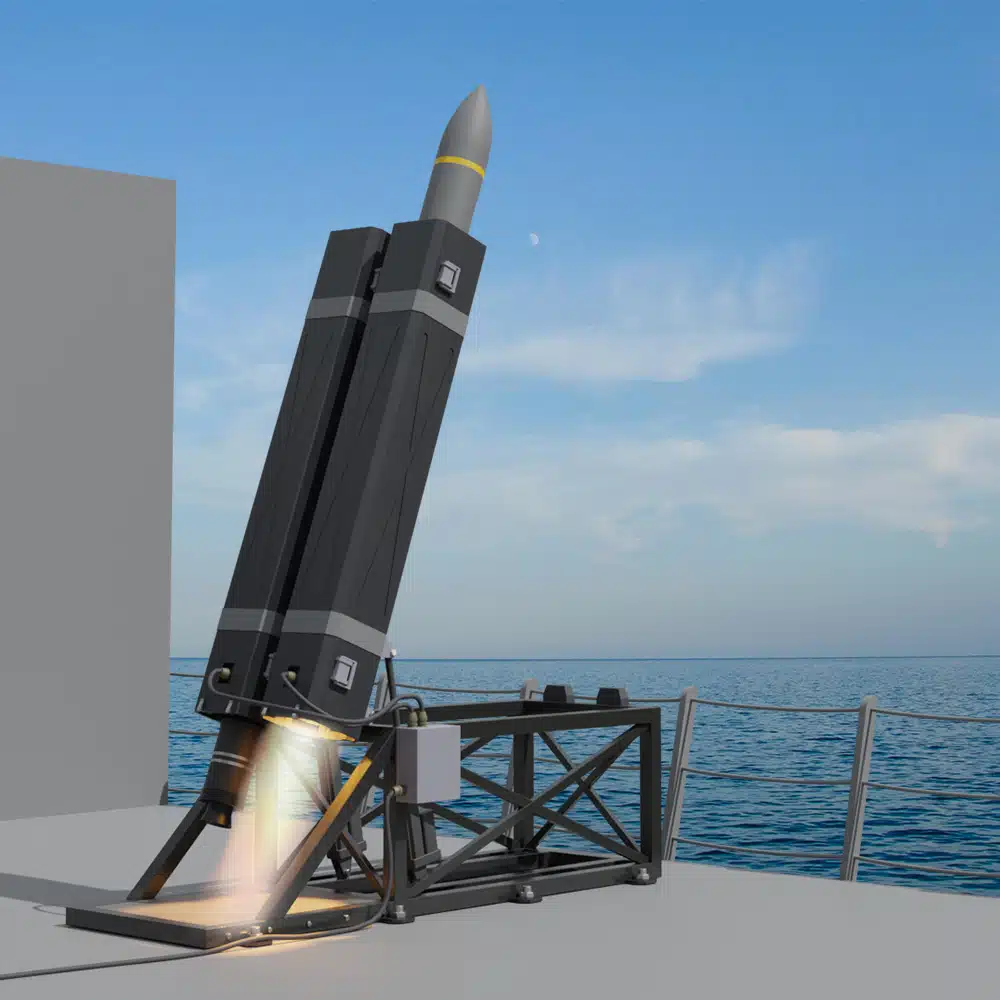
The LCCM order arrives as Ukraine's domestic glide-bomb production (noted in recent signals) demonstrates that low-cost precision munitions can substitute for scarce Western donations — a lesson the Pentagon is clearly absorbing for its own force structure.
If all five contractors deliver viable maritime variants, the Navy will face a supplier consolidation decision by FY28 that mirrors the JSM selection process (Germany's recent $378M Kongsberg contract).
The real constraint is not production capacity but naval architecture: integrating containerized strike into the Littoral Combat Ship and future frigate classes requires design certification that typically adds 18-24 months to fielding timelines.
This order signals a shift toward distributed, multi-platform maritime strike capability at scale — moving anti-ship capacity beyond dedicated naval platforms into containerized form factors deployable from surface combatants, logistics vessels, and potentially land-based systems.
Five separate contractors developing LCCM variants means no single prime owns the maritime-strike architecture, fragmenting the industrial base for a capability that will be central to Indo-Pacific contingency planning.
The 10,000+ unit commitment locks procurement dollars into LCCM production through at least FY27-28, which constrains budget available for higher-cost standoff munitions like Tomahawk and Naval Strike Missile upgrades — forcing INDOPACOM to choose between mass and range in its strike inventory.
Which of the five contractors has the most mature maritime variant, and what is the planned integration timeline with the Navy's surface combatant fleet?
Fault Lines
Strategic intelligence, synthesized daily — with a public track record. Every call graded against what actually happened.