Ukraine Strikes Black Sea Fleet Headquarters in Crimea; Russian Command Structure Targeted
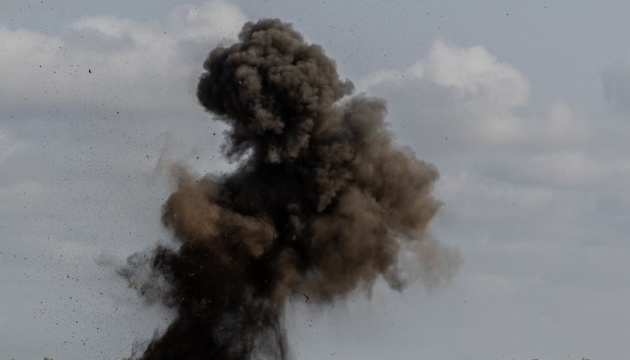
If the strike succeeded in degrading Black Sea Fleet command infrastructure, Russia faces a compressed timeline to reconstitute shore-based C2 — likely pushing operational control further inland or to the Northern Fleet. This would extend response times for anti-shipping and anti-submarine operations, creating a window for Ukrainian naval operations in the northwestern Black Sea.
Concurrently, the strike demonstrates Ukraine's ability to penetrate Russian air defenses around a high-value military target, which may accelerate Russian decisions to relocate vulnerable assets or increase air defense saturation.
This marks the first reported direct strike on Black Sea Fleet command infrastructure since Russia's May 24 escalation with Oreshnik ICBM deployments and 50-site Kyiv attack.
If confirmed, Ukraine has shifted from pipeline and logistics targeting to command-and-control nodes — a tactical escalation that forces Russia to either harden or disperse its fleet headquarters. The timing, 72 hours after Lavrov's May 26 evacuation warning to the US, suggests Ukraine is testing Russian air defenses while Moscow's attention is split across sustained strikes on Kyiv.
Watch whether this prompts Russian retaliation against Ukrainian command facilities or accelerates the Black Sea Fleet's operational tempo.
Did the strike actually hit the headquarters building, or adjacent facilities? What is the reported damage to command communications or personnel? Are there NATO intelligence assessments of whether this degrades Russian fleet coordination in the Black Sea?
Fault Lines
Strategic intelligence, synthesized daily — with a public track record. Every call graded against what actually happened.