Air Force Awards $2.4B E-7 Wedgetail Contracts Amid Active Middle East Ops
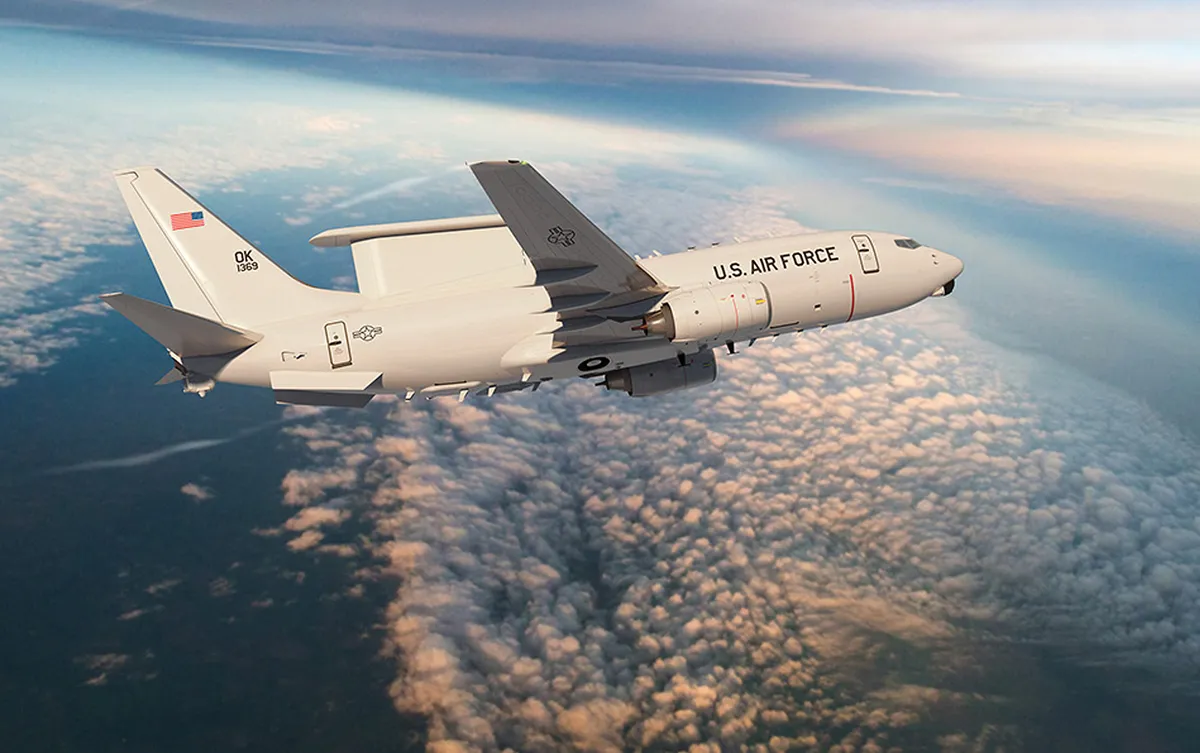
The E-7 procurement advance occurs as US Central Command operates three carrier strike groups in active combat against Iran while managing air defense and strike coordination across Iraq, the Gulf, and Israel.
If the $2.4B modification includes acceleration of low-rate initial production or forward deployment of test aircraft to theater, this creates a direct link between procurement timing and operational readiness in an active conflict zone. Conversely, if this is routine EMD funding with no schedule change, the signal is purely market-based and does not reflect operational urgency.
The E-7 is the Air Force's primary airborne early warning and control replacement for the aging E-3 Sentry.
A $2.4B commitment during active multi-front Middle East operations (Iran-Israel-US conflict now in fourth day of direct strikes) signals confidence in production timelines and radar maturity, but the lack of unit count and delivery schedule in public reporting obscures whether this accelerates fielding or extends EMD.
For program managers: the timing suggests no production delays are expected despite supply chain stress from ongoing regional conflict. For investors in Boeing's defense segment: this is incremental revenue confirmation without visibility into margin or whether EMD extension is being absorbed or passed to follow-on production contracts.
The article does not disclose the number of aircraft included, unit cost, delivery schedule, or whether this modification accelerates or extends the EMD phase.
Fault Lines
Strategic intelligence, synthesized daily — with a public track record. Every call graded against what actually happened.