Air Force Launches Counter-Drone SOP Development Amid Active Regional Drone Threat
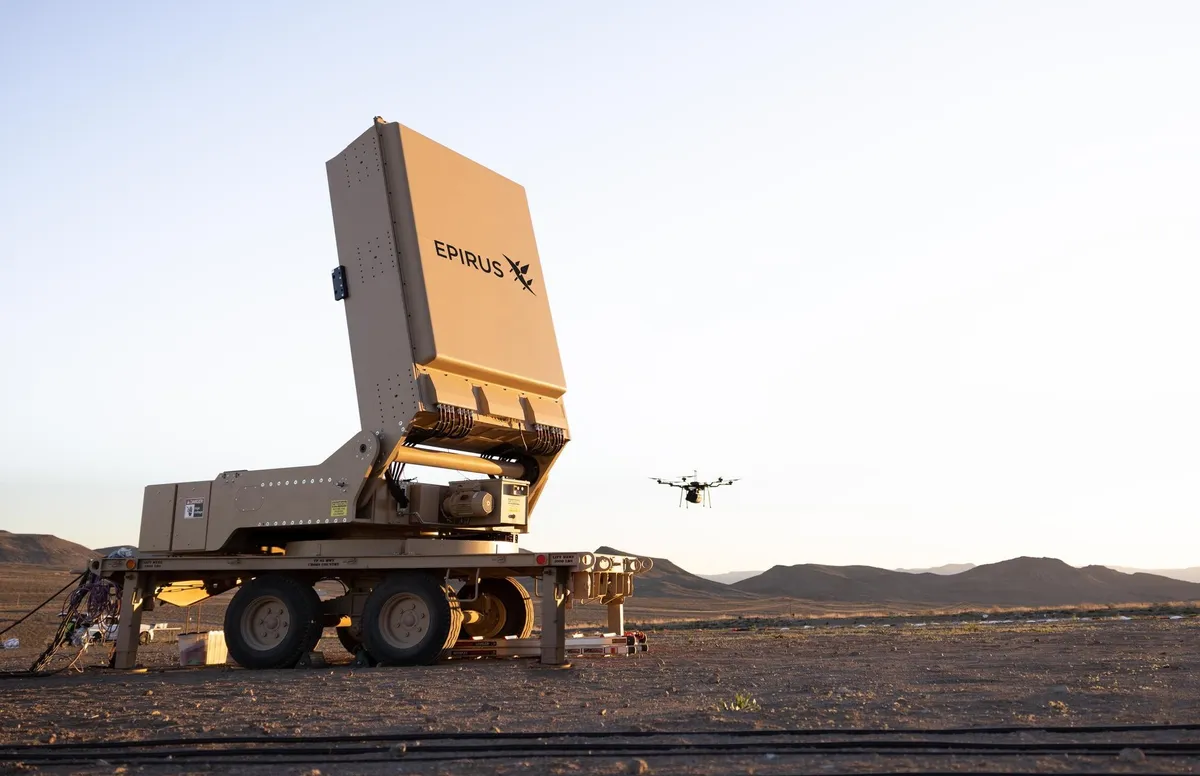
If the exercises produce mature SOPs by Q4 2026, they will inform FY2027 procurement decisions for air base air defense systems—likely accelerating contracts for Northrop Grumman's Counter-Unmanned Aircraft System (C-UAS), Raytheon's Coyote interceptors, or emerging vendors like Dedrone.
The timing suggests the Air Force is preparing for a post-conflict operational environment in which adversaries have demonstrated sustained drone capability; this could shift base hardening budgets away from traditional perimeter defense toward layered C-UAS architectures.
This signals institutional recognition that drone threats to continental U.S. air bases are no longer theoretical.
However, the article provides no information on threat assessment, budget allocation, or vendor selection criteria that would indicate whether this effort is reactive to specific intelligence or a routine capability gap.
The timing—mid-active conflict in the Middle East with 28 Iranian strike waves documented—suggests urgency, but the article does not confirm whether the exercises are informed by real-time threat data from current operations.
Without knowing which vendors are competing or what specific threat scenarios drive the SOP development, it's impossible to assess whether this will accelerate procurement or remain a planning exercise.
What specific drone threats (range, payload, guidance systems) are driving the SOP requirement? Which counter-drone vendors are participating, and what is the budget allocated?
Fault Lines
Strategic intelligence, synthesized daily — with a public track record. Every call graded against what actually happened.