Army Accelerates Drone Doctrine Overhaul Using Ukraine Combat Data; Industry Tasked with Counter-UAS Redesign
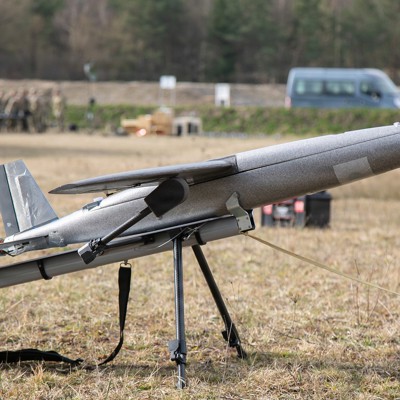
The Army's explicit endorsement of Ukrainian counter-UAS tactics creates a validation signal for defense contractors developing small-unit air defense and counter-drone systems (Anduril, AeroVironment, Skydio, and traditional primes like Northrop and Raytheon).
If this guidance translates into procurement requirements for FY27, it will accelerate the shift from manned air-centric doctrine toward distributed, low-cost counter-UAS capabilities — directly competing with existing air defense contracts (Patriot, SHORAD) in future budget allocation.
The timing matters: this signal arrives as the DoD is already in wartime production mode for PrSM and other munitions, creating a window for counter-UAS to capture procurement priority if formalized.
This confirms the Army is translating Ukraine's ad-hoc counter-UAS tactics into formal doctrine and procurement requirements — a shift from theoretical to operationally validated designs.
However, the article provides no specifics: no named contractors, no budget allocations, no timeline for fielding, and no details on which drone platforms are being redesigned. Without those details, it's unclear whether this drives near-term procurement acceleration or remains a longer-term design guidance.
The strategic value depends on whether this translates into contract modifications or new line items in FY27 budgets — neither of which this article addresses.
The article does not specify which defense contractors are receiving this direction, what budget or timeline is attached, or which drone platforms (tactical, loitering, reconnaissance, swarm) are being redesigned.
Fault Lines
Strategic intelligence, synthesized daily — with a public track record. Every call graded against what actually happened.