Sceye, SoftBank Sign Five-Year Deal for 40-Unit HAPS Fleet Over Japan
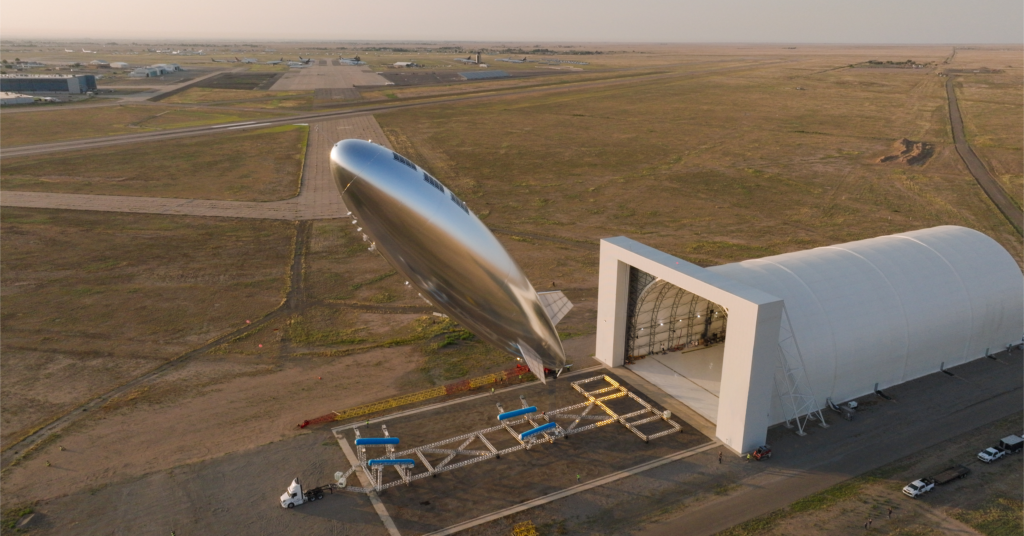
HAPS enters the commercial tier when a major carrier commits capital and five-year service contracts—this is no longer a demonstration. The stratospheric layer now competes directly with LEO for backhaul and edge-compute roles, which means every satellite operator defending a terrestrial-backup business case just lost pricing power.
Sceye's independence from launch vehicles also exposes a vulnerability in the current satellite-industrial model: if HAPS can deliver comparable latency and throughput without waiting for a Falcon 9 manifest slot, the scarcity premium on launch capacity erodes, and that pressure flows backward to constellation operators and primes defending LRIP rates.
SoftBank just committed to a five-year operational contract after backing Sceye's Series C with $15M in 2025, signaling confidence that HAPS has crossed from experiment to infrastructure.
The deal matters because it offers operators a launch-independent alternative at a moment when satellite operators are competing for scarce rideshare slots—Sceye's 30-minute turnaround time bypasses the entire launch bottleneck that currently constrains LEO constellation expansion.
Watch SoftBank's Q3 2027 earnings call for cost-per-gigabit comparisons between HAPS and satellite, which will determine whether other carriers (Rakuten, NTT DoCoMo, Verizon) begin bidding on HAPS fleets of their own.
What is the actual operational lifespan of current Sceye platforms in field conditions, and does the company's stated goal of six-month endurance depend on design changes or just operational refinement?
Fault Lines
Strategic intelligence, synthesized daily — with a public track record. Every call graded against what actually happened.