Ukrainian Drones Strike Lukoil Refinery, Azot Plant; Third Yaroslavl Attack in 14 Days Escalates Oil-Sector Targeting
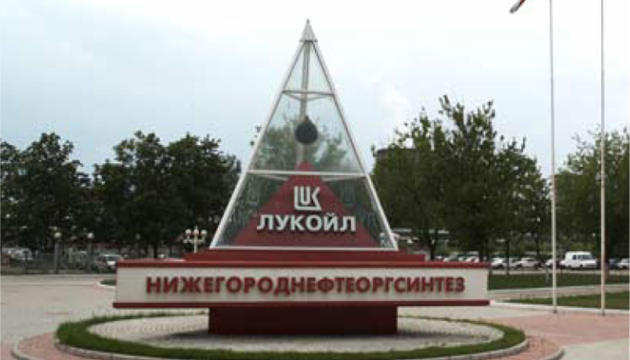
The targeting pattern — three hits on separate major refineries in 14 days — indicates Ukraine has moved beyond opportunistic strikes into a coordinated campaign. This differs from the sporadic energy attacks of 2024-2025.
If Ukraine can maintain even two strikes per week on refining capacity, Russian fuel production will fall below military demand by Q3 2026, forcing either fuel rationing at the front or emergency imports from Iran and Kazakhstan at 40-60% price premiums.
The Kremlin's only countermeasure is massive air defense concentration around refineries, which strips assets from air superiority missions and leaves other infrastructure (power plants, ammunition depots) exposed.
Ukraine is systematically degrading Russia's refining capacity at a pace that forces Moscow to choose between accepting fuel supply disruption or committing air defense assets away from the front.
Lukoil operates roughly 12% of Russia's total refining capacity; three major hits in 14 days suggests Ukraine has identified a targeting pattern and possesses the drone inventory to sustain it. If this cadence continues, Russian fuel spot prices will spike by late June, compressing military logistics margins — the Kremlin cannot replace this capacity in under 18 months.
Watch for Russian air defense repositioning toward energy infrastructure in the next 30 days, which would signal Moscow is treating energy loss as an existential constraint.
What is Ukraine's current monthly drone production rate, and how many strikes can it sustain on refining targets before attrition or supply exhaustion forces a pause?
Fault Lines
Strategic intelligence, synthesized daily — with a public track record. Every call graded against what actually happened.