Japan Deploys Combat Troops to Philippines Amid Iran-Israel Escalation; Indo-Pacific Hedging Accelerates
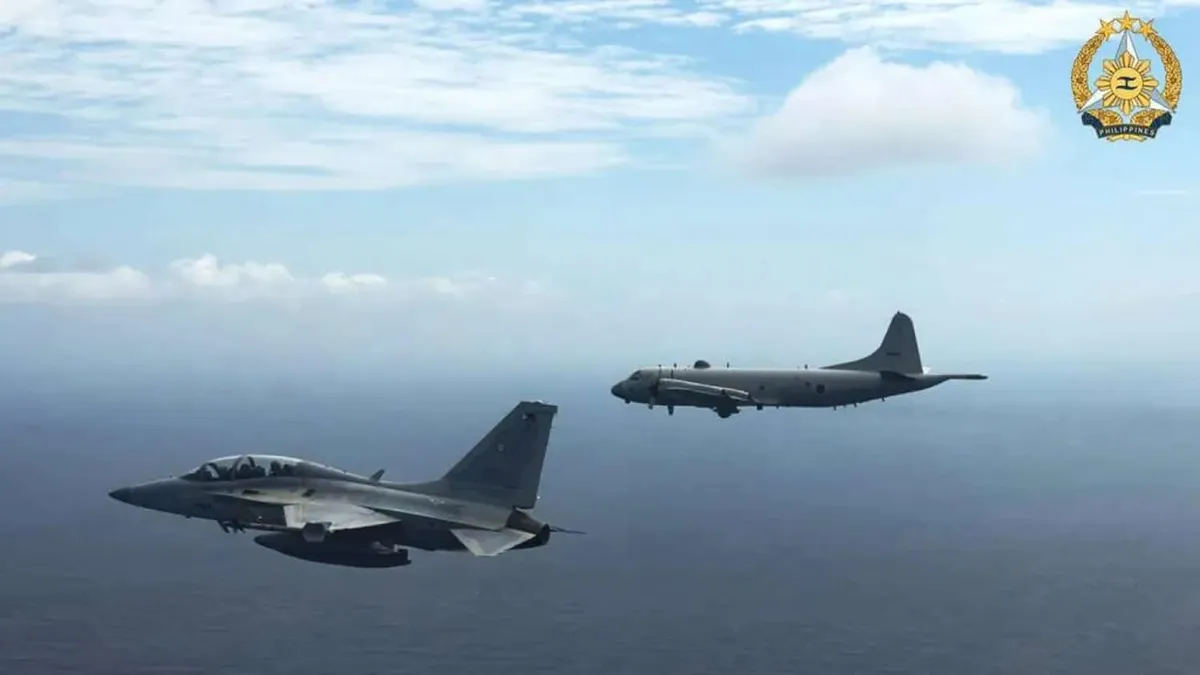
The Balikatan expansion directly reduces US operational friction in a two-theater scenario. By training Japan and the Philippines to conduct combined operations with minimal US command presence, the US avoids the choice between scaling back Middle East operations or weakening Pacific deterrence.
Japan's first post-WWII ground deployment to the Philippines also signals to China that the US-Japan-Philippines trilateral is operationalizing military coordination, not just diplomatic statements—this converts alliance rhetoric into practiced interoperability that constrains Beijing's options in the South China Sea without requiring additional US force posture.
This deployment signals Japan's willingness to operationalize forward presence in the Indo-Pacific amid simultaneous US-Iran escalation in the Middle East.
The timing creates a resource allocation problem: the US is deploying the 82nd Airborne to the Middle East (3,000 troops as of March 24) while simultaneously conducting the largest regional exercises in the Western Pacific.
If the Middle East conflict sustains beyond 30 days, US Pacific Command will face competing demands for air/naval assets, logistics, and command attention—forcing either a reduction in exercise tempo or a deeper commitment to Japan-Philippines interoperability to reduce US supervisory overhead.
Japan's participation directly addresses this by building allied capacity to operate without continuous US facilitation, reducing the operational tax of a two-theater posture.
The article does not specify the size of the Japanese contingent, the duration of Balikatan 2026, which specific capabilities Japan is deploying (ground, air, naval, or hybrid), or whether this exercise schedule was pre-planned or accelerated in response to Middle East developments.
Fault Lines
Strategic intelligence, synthesized daily — with a public track record. Every call graded against what actually happened.