Ukraine Strikes Kaspiysk Naval Base Deep in Russia; Caspian Fleet Degradation Accelerates
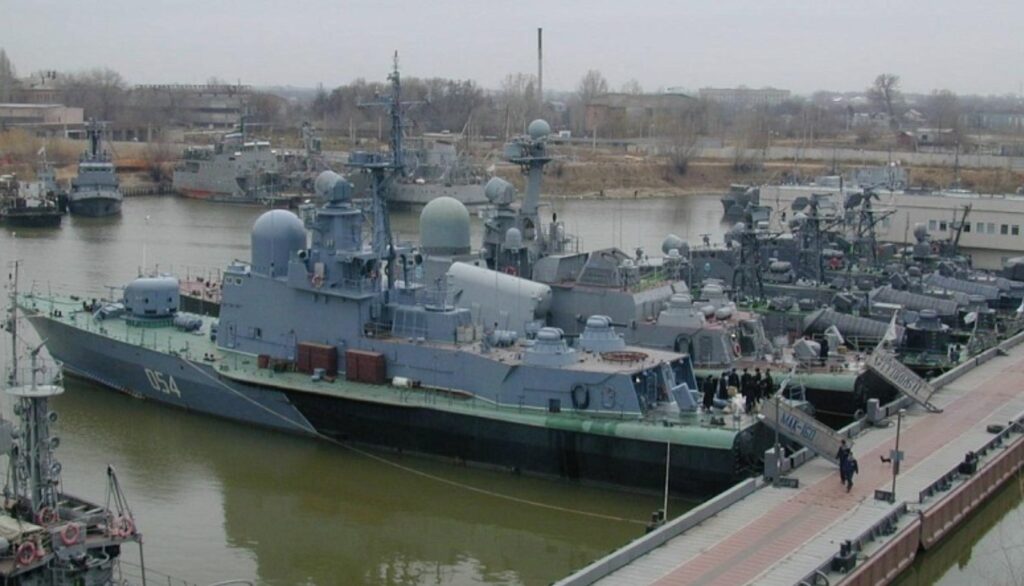
This strike signals a critical shift in escalation dynamics within the existing conflict. Ukraine has moved from defending against Russian strikes to imposing costs on Russian strike platforms themselves—not through air defense interception (which is attrition-heavy), but through offensive reach.
If Ukraine can strike the Caspian Flotilla, it can also strike Black Sea Fleet logistics nodes, air bases supporting long-range bombers, and ammunition depots in southern Russia. Russia's response will likely be to disperse the remaining flotilla or accelerate Kalibr production to offset losses.
Either path is costly: dispersion reduces strike frequency due to transit times and coordination friction; accelerated production competes with munitions needed for ground operations.
Ukraine has now demonstrated the ability to strike Russian naval assets 900+ kilometers from Ukrainian territory, which collapses the operational sanctuary Russia claimed in the Caspian.
Kaspiysk hosts the Caspian Flotilla's Kalibr cruise missile carriers—the same platforms that have sustained Russia's strike campaign against Ukrainian infrastructure since 2022.
If the flotilla loses sustained strike capacity, Russia loses a major vector for standoff attacks on Ukrainian civilian and military targets, forcing a shift toward air-launched cruise missiles and ballistic systems already under pressure from Western air defense.
Watch for Russian damage assessments and flotilla deployment patterns over the next 30 days—if Russia pulls capital ships out of the Caspian or accelerates overhaul schedules, the strike succeeded in forcing operational changes.
How many Kalibr-capable vessels were damaged or destroyed at Kaspiysk, and what is their repair timeline? The article reports 'damage to missile-capable ships' but not the quantity or serviceability status—a critical detail for assessing whether Russia can sustain current strike rates.
Fault Lines
Strategic intelligence, synthesized daily — with a public track record. Every call graded against what actually happened.