Lebanon Civil War Risk Rises as Israel Expands Strike Zone Into Hezbollah Heartland
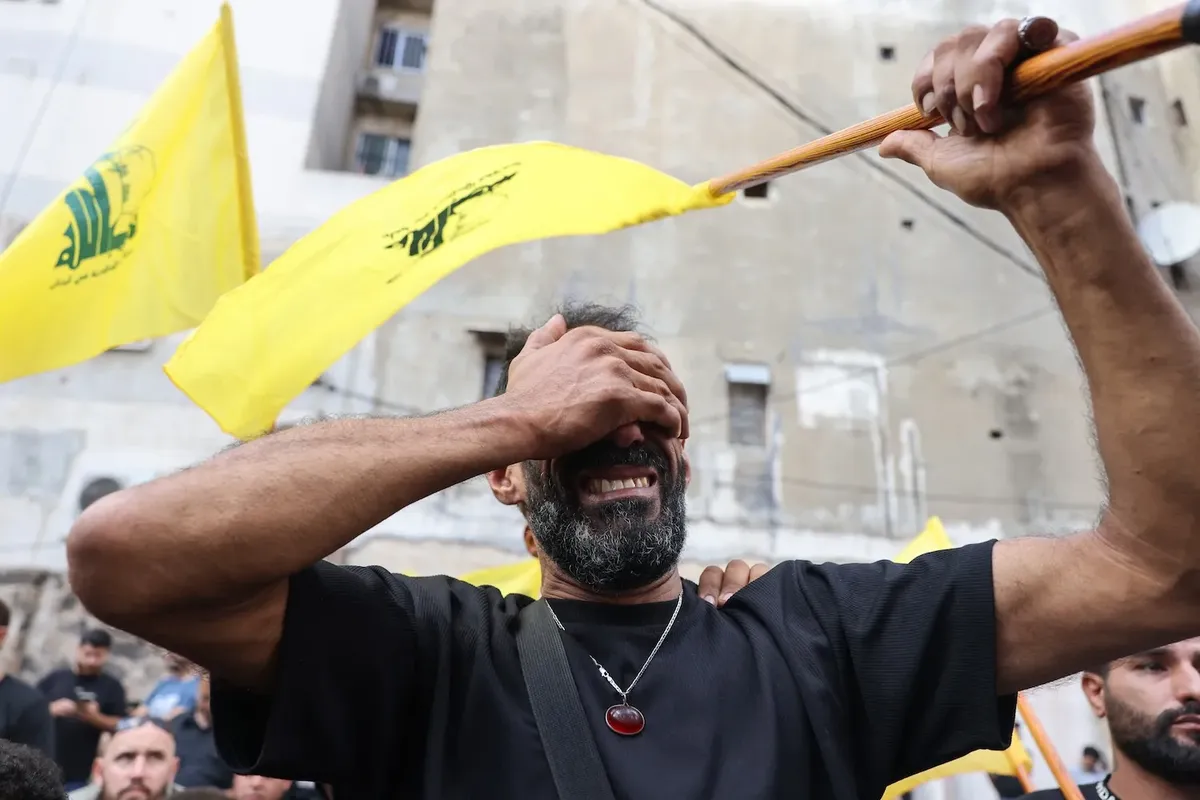
Israeli strikes on Beirut (March 8 signal) create immediate pressure on Lebanese state capacity: if the government fails to constrain Hezbollah, Israel will continue targeting Lebanese territory, forcing Lebanese civilians and institutions into collision with a US-Israeli campaign nominally directed at Iran.
This converts Lebanon from a peripheral actor into a forced choice point—either the state reasserts monopoly on force (risking civil war with Hezbollah) or accepts Israeli strikes as the cost of harboring Iranian proxy infrastructure. Either path narrows Lebanese government autonomy and increases likelihood of state fragmentation or prolonged conflict.
This is an analysis piece asking a strategic question, not reporting that disarmament is being attempted or planned.
The actual decision-driver is the Israeli strike expansion into Lebanon (already signaled March 8), which creates political pressure on Lebanese government to distance itself from Hezbollah or risk further strikes. If Lebanon's government moves toward disarmament, it triggers internal conflict with Hezbollah—a non-state actor with 150,000+ fighters and deep Iranian ties.
If it does not, Lebanon becomes a secondary theater in the US-Israel campaign against Iran. The article identifies the dilemma but does not report which path Lebanese leadership is choosing.
Has Lebanon's government made any statement about disarmament, military action against Hezbollah, or response to Israeli strikes? Is there evidence of internal Lebanese debate or pressure on the government to act?
Fault Lines
Strategic intelligence, synthesized daily — with a public track record. Every call graded against what actually happened.