France Cuts Balikatan Exercise Force by 87%; Diverts Naval Assets to Middle East Blockade
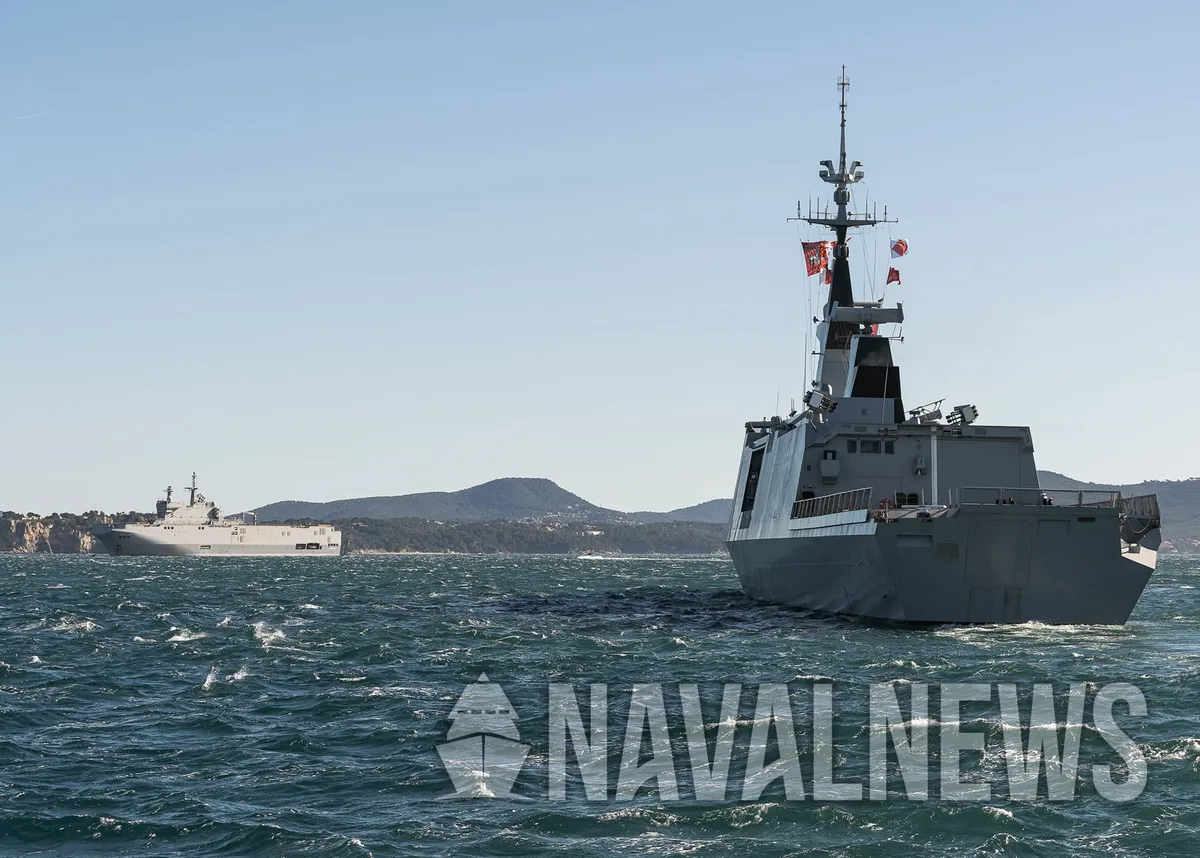
France's exercise withdrawal accelerates allied decoupling from US Indo-Pacific strategy.
Sweden's April 14 signal of reduced NATO reliance on the US (prior signal) combined with France's Balikatan cutback indicates that the Hormuz blockade is converting a Middle East crisis into a NATO cohesion problem—allied governments are now making force allocation decisions that prioritize distance from Trump's unilateral enforcement posture over participation in joint Pacific exercises.
This creates a window for China to expand bilateral defense partnerships in Southeast Asia (ASEAN) without competing against a unified NATO presence.
France's withdrawal from a flagship Indo-Pacific exercise signals allied fragmentation over the Hormuz blockade.
France publicly rejected participation in the blockade on April 13 (per prior Fault Lines signal); this exercise cutback indicates that opposition is not rhetorical—it translates into force posture decisions. The US now faces reduced allied presence in a theater where it is simultaneously pivoting carrier assets (CVN-77 via Cape of Good Hope) and formalizing logistics access with Indonesia.
If France diverts naval capacity away from the Indo-Pacific to hedge Middle East exposure, allied interoperability in Taiwan contingency planning degrades, and US Pacific Command loses a NATO ally's air-defense and amphibious capability in a region where China is the primary competitor.
The timing—coinciding with NATO allies' public rejection of the blockade—suggests allied defection is not temporary positioning but sustained strategic repositioning.
The article does not specify which French naval assets are being redeployed, whether the reduction is temporary (duration of blockade) or permanent, or whether France is signaling intent to participate in alternative Indo-Pacific exercises with non-US partners.
Fault Lines
Strategic intelligence, synthesized daily — with a public track record. Every call graded against what actually happened.