Ukraine Strikes Russian Karakurt Corvette at Primorsk; Eight Kalibr Missiles Destroyed
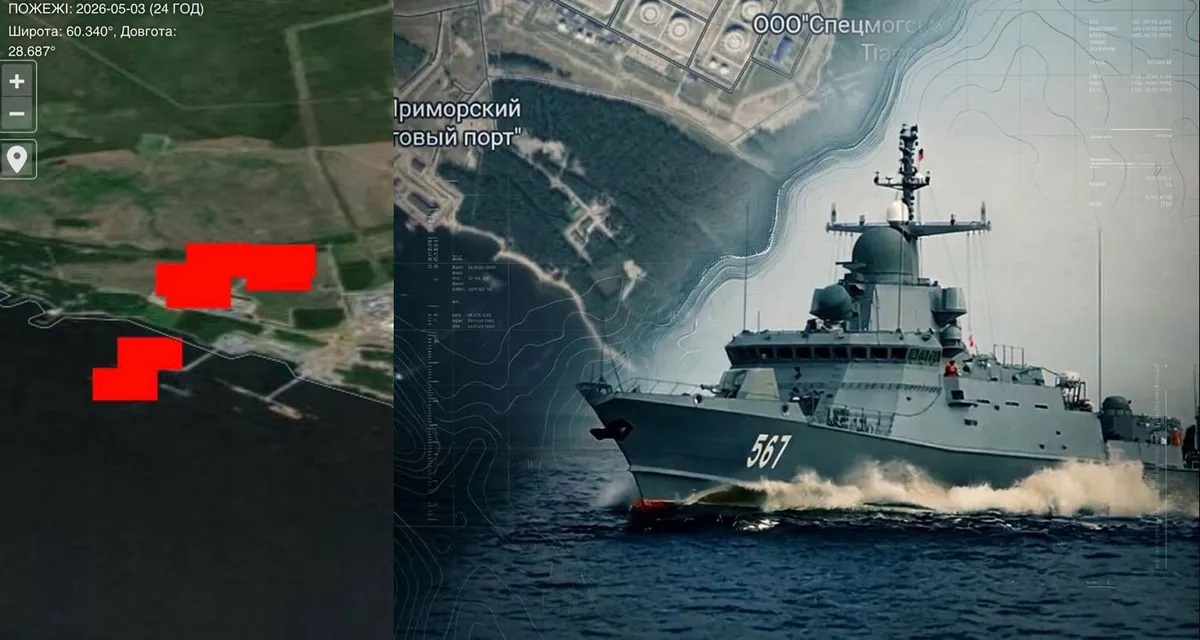
Ukraine's ability to strike Russian naval platforms in the Black Sea sustains its air defense and power projection calculus, but does not alter the attrition math. Russia's weekly drone and missile output (1,600 drones + 1,100 guided bombs) vastly exceeds Ukrainian interception rates. One corvette lost does not slow that production or delivery cycle.
The operational relevance is defensive—denying eight Kalibrs reduces incoming fire for one week by less than 1%—not offensive.
This is a tactical win with narrow operational scope.
Ukraine destroyed a single missile platform and denied eight Kalibrs from reaching Ukrainian territory—meaningful but not a breakout. Russia fields 1,600 drones and 1,100 guided bombs weekly against Ukraine; losing one corvette and eight missiles is attrition, not disruption of Russia's attack tempo.
The real signal: Ukraine's SOF can still strike Russian naval assets in the Black Sea despite Russian air superiority and layered defenses. That capability survives, but the scale of Russian fires—already documented at 1,600 drones weekly—continues unabated. Watch whether Russia pulls additional corvettes from Primorsk or accepts the risk.
How many Karakurt-class corvettes does Russia have operational in the Black Sea, and is this strike part of a sustained targeting campaign or a one-off success?
Fault Lines
Strategic intelligence, synthesized daily — with a public track record. Every call graded against what actually happened.