Ukrainian Drones Strike Russian Arctic Patrol Ship Under Construction in St. Petersburg
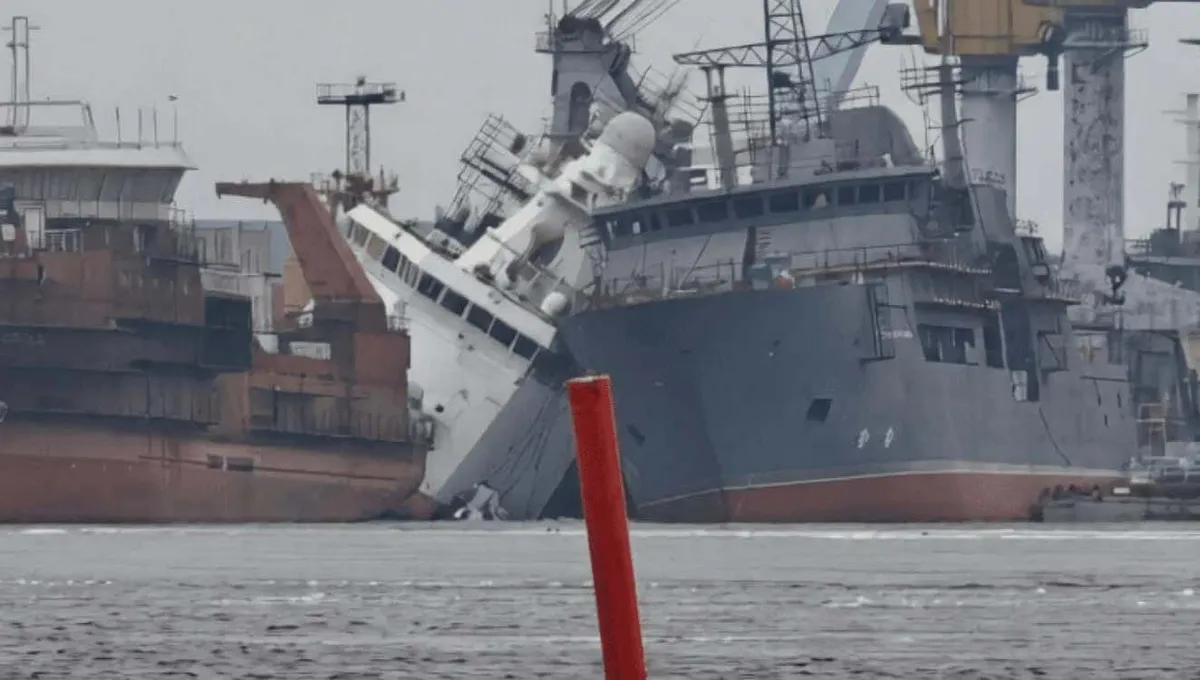
Ukrainian strikes on Russian shipyard capacity create pressure on Russia's naval modernization timeline, particularly for specialized Arctic assets the FSB relies on for border control and resource security.
If Ukraine sustains drone strikes on construction facilities, Russia may accelerate completion of vessels already launched or redirect resources to expedite commissioning of in-service ships — a choice that trades long-term capability for near-term operational availability.
This does not directly cascade into the active Iran-Israel conflict, but it demonstrates that modern peer conflicts now routinely target rear-area industrial nodes, a pattern relevant to allied contingency planning for Taiwan or Baltic scenarios.
This strike extends Ukrainian targeting capability into Russia's interior shipbuilding infrastructure, signaling a shift from frontline attrition to degradation of Russian military-industrial capacity.
The Purga is a specialized Arctic patrol asset — damage delays FSB Coast Guard modernization and signals Ukraine's ability to strike strategic targets hundreds of kilometers from the frontline. However, this is a single incident on one vessel; the strategic impact depends on whether Ukraine can sustain such strikes and whether Russia accelerates or relocates other construction programs.
For defense planners, this demonstrates that modern drone range now encompasses rear-area shipyards previously considered safe from attack.
The article does not specify the extent of damage (constructive loss vs. repairable), repair timeline, or whether this strike will trigger Russian relocation of other naval construction projects to less-exposed facilities.
Fault Lines
Strategic intelligence, synthesized daily — with a public track record. Every call graded against what actually happened.