Pentagon $151B Reconciliation Plan Accelerates Unmanned Systems Procurement Across Three Domains
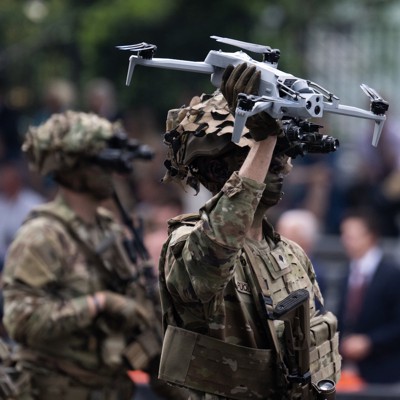
Increased unmanned systems procurement forces a reallocation of defense industrial capacity away from crewed platform sustainment — if autonomy funding grows faster than crewed platform budgets, contractors will repriorize engineering talent and manufacturing slots toward robotics, which delays legacy platform modernization (F-35 Block 4, Virginia-class sustainment).
This also creates a procurement window for smaller autonomy vendors to capture market share from primes, shifting the competitive structure of the drone and unmanned systems sector.
If the allocation represents a material shift in budget priorities toward unmanned systems, it forces repricing in the autonomy and robotics supply chains — specifically companies like AeroVironment, Endeavor Robotics, and maritime autonomy vendors.
The $151B figure is the total reconciliation envelope; without a breakdown, we cannot assess whether this is a 5% or 20% reallocation within that bucket.
The strategic intent (reducing personnel exposure, extending operational range) is clear, but the procurement timeline and which specific platforms receive priority funding remain unknown and will determine whether this accelerates or delays existing programs like MQ-4C Triton upgrades or Navy unmanned surface vessel schedules.
The article does not disclose the dollar amounts or percentage of the $151B allocated to unmanned systems, nor does it name specific programs, platforms, or contractors. Without this breakdown, we cannot assess the magnitude of the shift or its impact on program schedules and industrial capacity.
Fault Lines
Strategic intelligence, synthesized daily — with a public track record. Every call graded against what actually happened.