Moldova's Vulcanesti–Chisinau Line Removes Key Russian Grid Leverage Over Chisinau
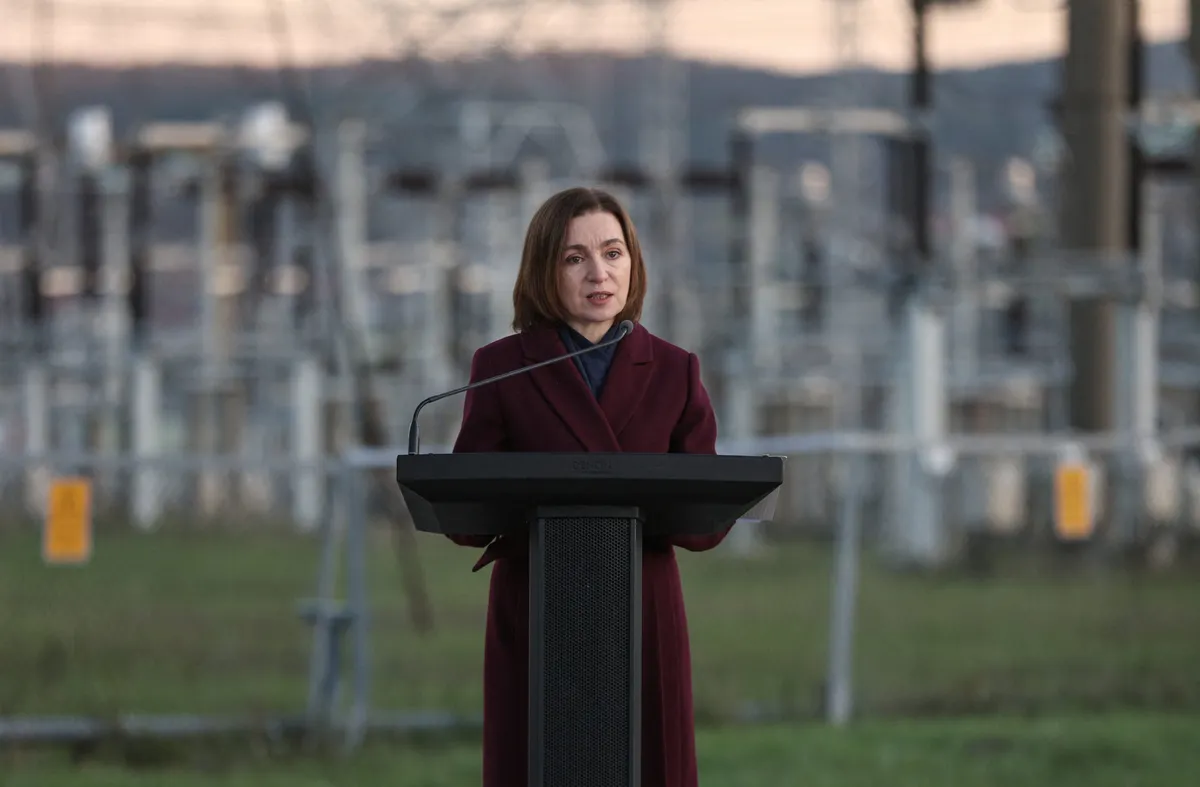
If Moldova's grid is now fully routable through Romanian interconnections, Transnistria loses the revenue stream from electricity sales to the right bank — a funding source the separatist administration used to sustain its parallel economy.
That fiscal pressure, combined with the January 2025 gas cutoff, narrows Tiraspol's room to operate independently and could accelerate the political timeline for reintegration talks, though the article does not address that dimension directly.
Moldova's electricity grid had physically embedded the country in a Soviet-era dependency loop: Russian gas flowed to the MGRES plant in Transnistria, which sold power back to Moldova for the majority of its needs, generating revenues for the separatist enclave in the process.
The new line breaks that routing, meaning Chisinau can now receive European electricity without the Transnistrian node as a mandatory transit point. Russia ended gas deliveries to Transnistria in January 2025, so the MGRES plant's output was already degraded; this infrastructure completes the decoupling on the grid side.
Does the Vulcanesti–Chisinau line carry enough capacity to cover peak winter demand in central Moldova, or does Chisinau still face a supply gap that requires Romanian grid operators to increase cross-border transfer capacity before the 2026–27 heating season?
Fault Lines
Strategic intelligence, synthesized daily — with a public track record. Every call graded against what actually happened.