Pentagon Denies Munitions Shortage as White House Drafts Iran War Supplemental
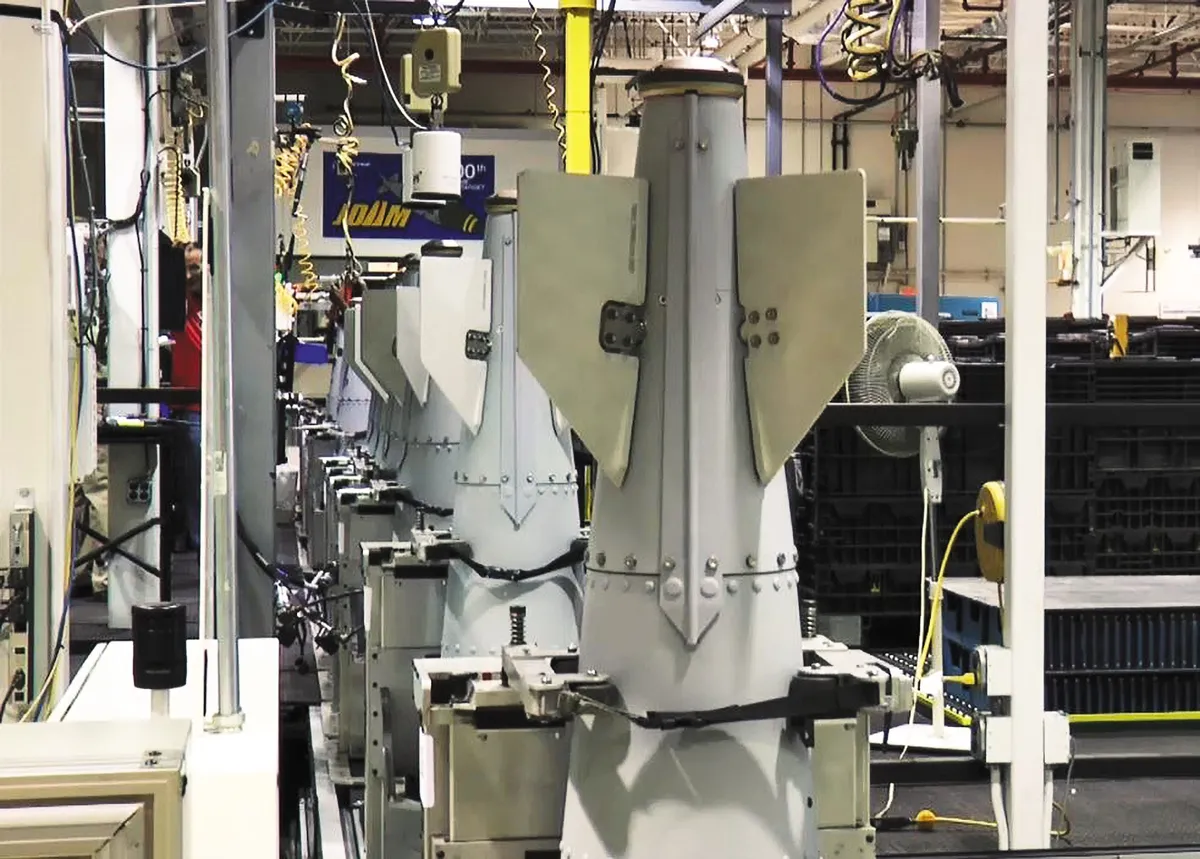
Munitions depletion directly constrains the operational tempo of the air campaign — if inventory falls below 30-45 days of strike operations, the US either slows campaign pace or accepts higher risk to air crews and platforms.
This forces a choice between requesting emergency supplemental funding (politically visible, signals campaign will extend into Q2-Q3) or accepting operational constraints that may reduce pressure on Iranian air defenses and allow reconstitution.
The supplemental size and language will also signal to Congress and allies whether the administration expects this conflict to remain bilateral US-Israel-Iran or expand to include Hezbollah/proxy operations that would multiply munitions burn rates.
The gap between Pentagon public posture and White House budget action reveals real depletion in offensive air inventory — likely precision-guided munitions (PGMs), cruise missiles, and air defense interceptors burned at rates exceeding peacetime consumption models.
If the supplemental exceeds $15-20B, it signals sustained campaign duration beyond 30-60 days and forces immediate repricing of defense contractor margin assumptions for FY26-27. RTX, Lockheed, and Raytheon face simultaneous demand surge (higher order rates) and political pressure to avoid price increases on emergency buys — a classic margin compression scenario.
Watch whether the supplemental includes expedited production authorizations (long-lead items like AGM-158 JASSM or RIM-174 SM-6) that would lock contractors into discounted unit costs.
The article does not specify which munition categories are depleted, the scale of the shortfall in rounds or dollar terms, or the timeline the White House is targeting for supplemental passage and execution.
Fault Lines
Strategic intelligence, synthesized daily — with a public track record. Every call graded against what actually happened.