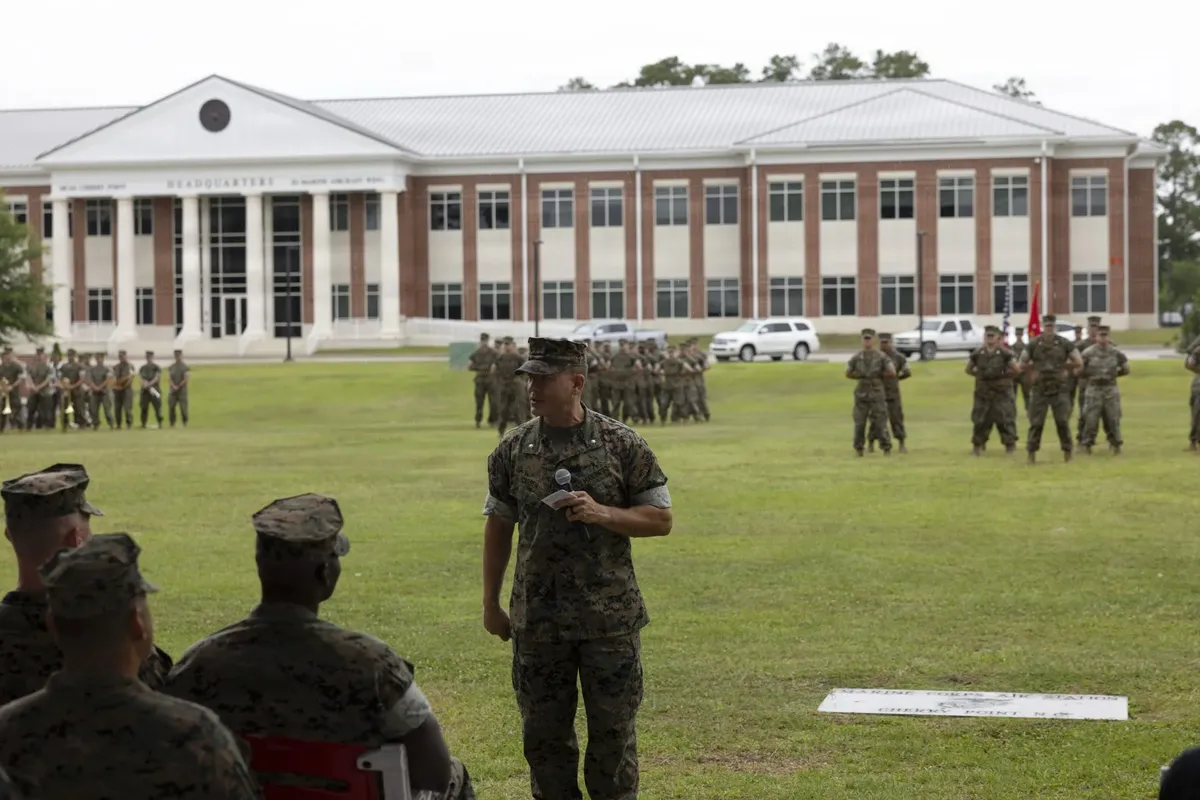
Marine Corps Activates First Unmanned Maintenance Squadron; 300-Person Unit Takes Over MQ-9A Reaper Repairs
If the unit is constrained to field-level maintenance, the Marine Corps gains scheduling flexibility but not true logistical independence — contractor capacity remains the binding constraint for turnaround time. A 300-person squadron with no depot authority is a morale move and a labor cost shift, not a supply-chain fix.
Conversely, if the service intends this unit to handle major overhauls, it signals confidence in sustained MQ-9A demand and a willingness to front-load training costs to avoid future contractor price escalation.
The timing — amid the DIU's Mach Industries maritime strike drone award and the broader unmanned systems acceleration — suggests the Marine Corps is building organic UAS expertise as a hedge against future platform proliferation.
The Marine Corps is shifting from contractor-dependent sustainment to organic depot capacity for a high-demand ISR platform — a move that reduces single-source logistics risk and preserves operational tempo when contractor backlogs extend lead times.
The 300-person footprint represents a fixed sustainment cost now borne by the service rather than variable contractor rates, which tightens the O&M budget but locks in predictability. Watch the FY27 NDAA markup for whether the service requests dedicated MQ-9A spares procurement authority or if this unit immediately surfaces supply-chain constraints that force trade-offs with manned aviation maintenance.
Does this unit have authorization to perform depot-level overhauls, or is it limited to line maintenance and field repairs?
Fault Lines
Strategic intelligence, synthesized daily — with a public track record. Every call graded against what actually happened.