Ukrainian Special Forces Strike Crimean Fuel Infrastructure; Logistics Disruption Extends Rear-Area Kill Chain
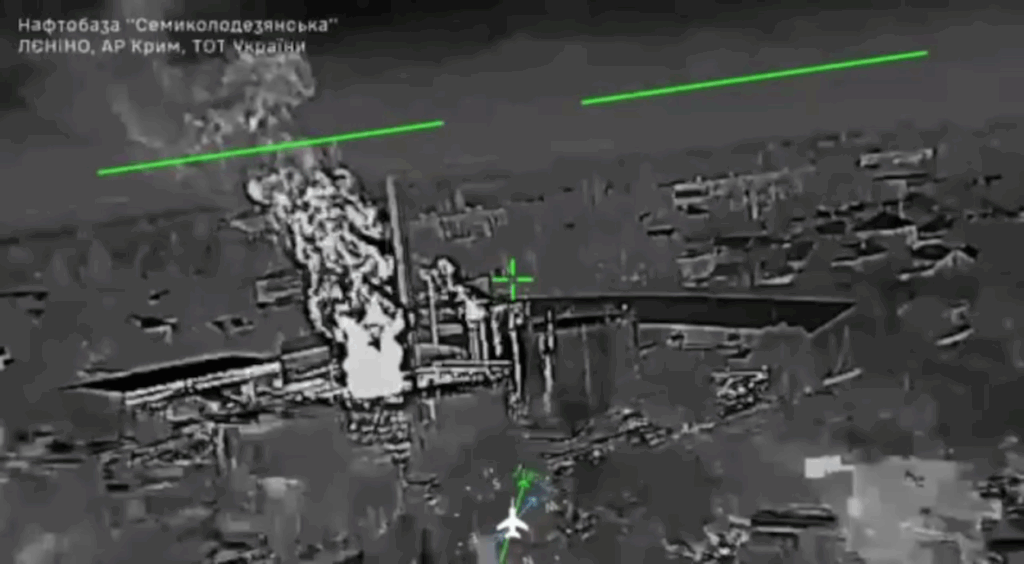
The Crimea strike fits a clear escalation sequence: real-time satellite feeds (June 5 signal) compressed the Ukraine kill chain from days to hours; doubled deep-strike frequency (June 5) shifted focus from frontline to rear logistics; now fixed infrastructure in occupied territory is under attack.
If Russian fuel distribution nodes are now in the target envelope, Russia's only mitigation is to push supply caches further east—into Donbas rear areas—which increases transport time and vulnerability to interdiction. This cascades into operational planning: longer supply lines mean fewer sorties per day for Russian aviation, which directly affects air superiority over the frontline.
The second-order effect is measurable in sortie rates and CAS availability within 30 days.
This operation extends the pattern established in earlier signals: Ukraine is systematically compressing the kill chain from frontline targets to Russian rear-area logistics.
The Crimea strike suggests Ukrainian forces can now execute precision operations against fixed infrastructure 200+ km from frontline positions, forcing Russian logistics planners to assume no rear-area asset is secure.
The constraint this creates is real-time: Russia must either disperse fuel stocks (raising transport costs and reducing operational flexibility) or accept attrition against mobile supply convoys that become the next target. Watch whether Russian air defense sorties increase in response, which would indicate Moscow perceives the threat as operationally significant rather than symbolic.
What is the actual damage assessment—did the strikes destroy storage capacity or disrupt throughput temporarily? Ukrainian claims of 'disruption' are consistent with damage that forces rerouting but doesn't eliminate supply.
Fault Lines
Strategic intelligence, synthesized daily — with a public track record. Every call graded against what actually happened.