Iran Threatens Hormuz Tanker Attacks as Insurers Exit; US Signals Price Mitigation
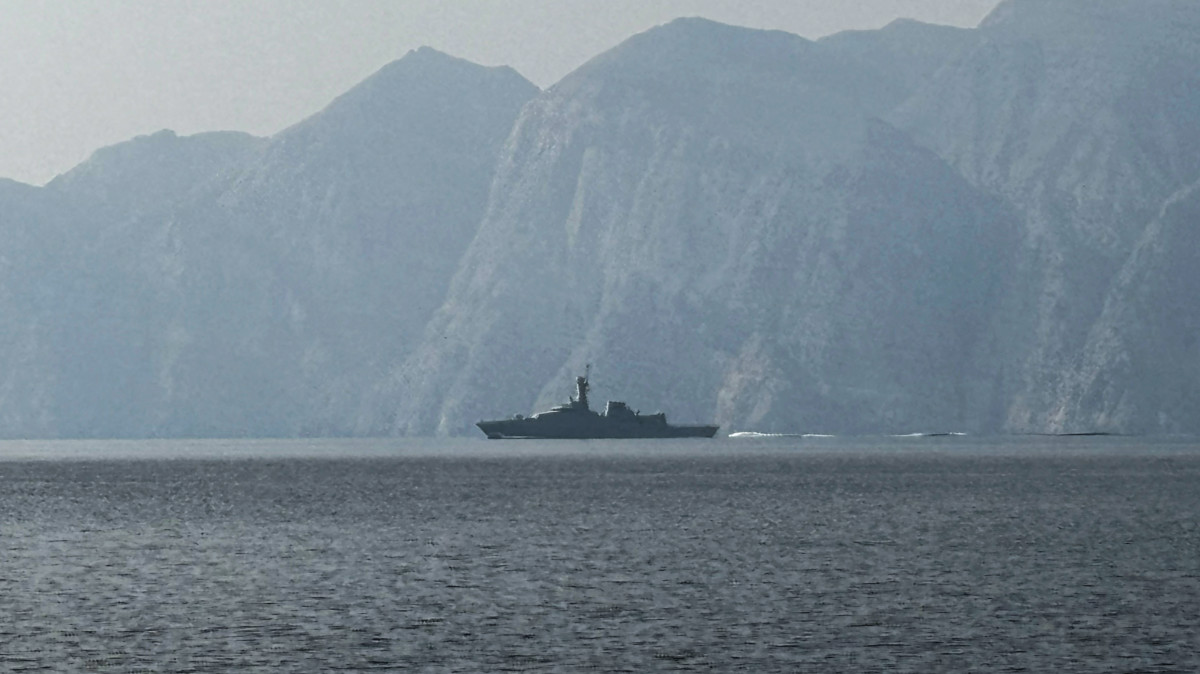
Insurance withdrawal from Hormuz converts an Iranian threat from a tactical military risk into a market-failure problem that forces U.S. naval commitment regardless of attack probability. If tankers cannot obtain war-risk coverage, U.S.
Navy escorts become the de facto insurer of last resort, which either (a) requires forward-deployed surface combatant reallocation away from Indo-Pacific contingency planning, or (b) accelerates procurement of unmanned escort vessels and integrated air-defense systems to distribute the escort burden.
If insurers remain withdrawn and the threat is credible, global oil and LNG transit through Hormuz (approximately 21% of traded petroleum) faces a supply-side shock independent of actual attacks.
This forces three immediate decisions: (1) U.S. naval presence in the Gulf must absorb insurer risk via de facto convoy operations or face a market collapse in tanker bookings; (2) Strategic Petroleum Reserve releases or emergency energy policy will be triggered faster than historical precedent, compressing the policy response window; (3) Defense contractors supporting Gulf operations (Huntington Ingalls, General Dynamics, Northrop Grumman on naval sustainment; Raytheon on air defense) face accelerated demand for escort-capable assets and integrated air-defense upgrades.
The critical variable is whether insurers' exit is temporary (tactical pressure) or permanent (structural repricing of Gulf risk), which determines whether this is a weeks-long crisis or a years-long shift in energy logistics.
The article does not specify which insurers are withdrawing, the geographic scope of coverage cancellations (Gulf-wide or Hormuz-specific), or whether any insurer has publicly stated conditions for re-entry.
Fault Lines
Strategic intelligence, synthesized daily — with a public track record. Every call graded against what actually happened.