Iran Military Warns US Against Hormuz Escalation; Defies Ceasefire Terms
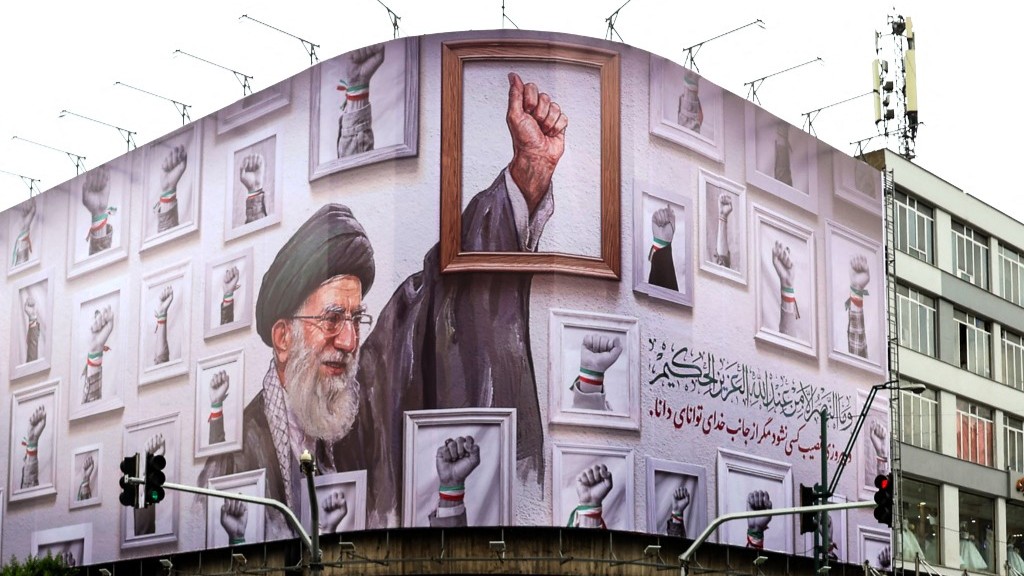
Iran's rejection of ceasefire terms while continuing mine-laying operations forces the Pentagon to operationalize the lethal force authorization—converting the blockade from a political tool into an active exclusion zone.
This locks in carrier strike group deployment duration and accelerates consumables procurement (ordnance, fuel, maintenance) at a pace that will surface in Q2/Q3 sustainment contract renegotiations with Raytheon, Lockheed, and General Dynamics.
Iran is openly rejecting the ceasefire framework Trump extended on April 21.
This is not ambiguous signaling—it's a direct statement that Tehran will not cede control of Hormuz traffic or accept U.S. enforcement operations, even under threat of lethal force. The statement hardens Iran's negotiating position exactly when the White House was demanding 'unified' Iranian leadership response and uranium handover conditions. Operationally, this closes the window for de-escalation.
Hegseth's standing orders to shoot Iranian mine boats now face an explicit Iranian counter-threat. The next incident in Hormuz—and given the mine-laying activity reported April 23, incidents are ongoing—will trigger direct military engagement with no diplomatic off-ramp.
For defense investors, this means the three-carrier Middle East deployment (George HW Bush, Abraham Lincoln, Gerald R Ford) transitions from a show of force into an active enforcement operation with rules of engagement that permit engagement. Sustainment demand on carrier air wings and escort vessels will spike; expect expedited LRIP decisions on air defense and ASW platforms supporting the strike groups.
Is Iran's statement authorized by Khamenei, or is it a hardline military faction signaling defiance of any potential negotiations? The distinction determines whether this reflects regime-wide rejection or internal power struggle—and whether Trump has any diplomatic off-ramp left.
Fault Lines
Strategic intelligence, synthesized daily — with a public track record. Every call graded against what actually happened.