IEA Oil Disruption Data Quantifies Conflict Cost; $400B+ Annual Impact Reshapes Energy Markets
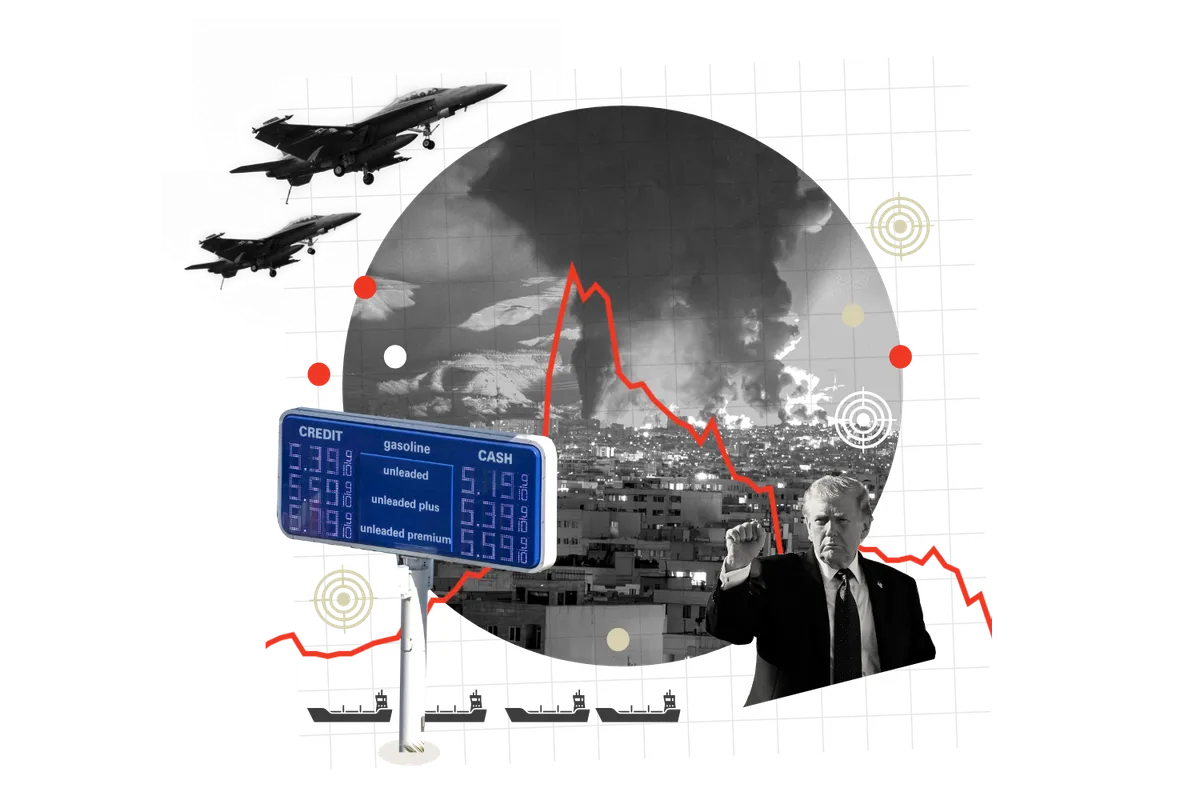
Sustained oil price elevation (driven by Hormuz closure and IEA disruption declaration) forces allied defense budgets to compete for capital with energy security spending.
European NATO members already under fiscal pressure will either defer non-urgent procurement or seek US co-production to amortize costs — creating a window for Lockheed, RTX, and Northrop to renegotiate FMS terms and lock in long-term sustainment contracts before energy inflation erodes allied defense spending power.
Conversely, if crude prices spike above $110/bbl, allied governments may prioritize strategic petroleum reserve drawdowns and LNG import agreements over fighter jet sustainment, delaying Block 4 F-35 and NGAD maturation timelines.
The conflict has moved from military-only cost accounting to economy-wide energy shock pricing.
Oil markets are repricing based on sustained Hormuz closure risk — not temporary disruption. Defense contractors face dual pressure: (1) procurement acceleration for munitions and air defense systems (evident in USS Tripoli deployment and third carrier strike group activation), and (2) potential margin compression if energy costs spike sustainment and logistics.
Refineries and energy majors see margin expansion in the near term, but shipping and LNG exporters face demand destruction if elevated prices persist beyond Q2 2026.
The real decision variable: whether Trump's explicit threat to strike Kharg oil infrastructure (while sparing it on March 13) signals intent to use energy as a coercive tool against Iran's negotiating position, or whether further escalation forces his hand.
If Hormuz remains contested for 6+ months, global oil markets price in a $20-30/bbl risk premium, cascading into defense budget inflation and allied procurement delays.
The article does not break down the cost attribution — what portion is kinetic (munitions, operations), what portion is market-driven (oil premium, shipping insurance), and what portion is indirect (supply chain disruption, hedging costs).
Fault Lines
Strategic intelligence, synthesized daily — with a public track record. Every call graded against what actually happened.