US Navy Begins Full Iranian Port Blockade April 13; Escalates Beyond Hormuz Transit Control
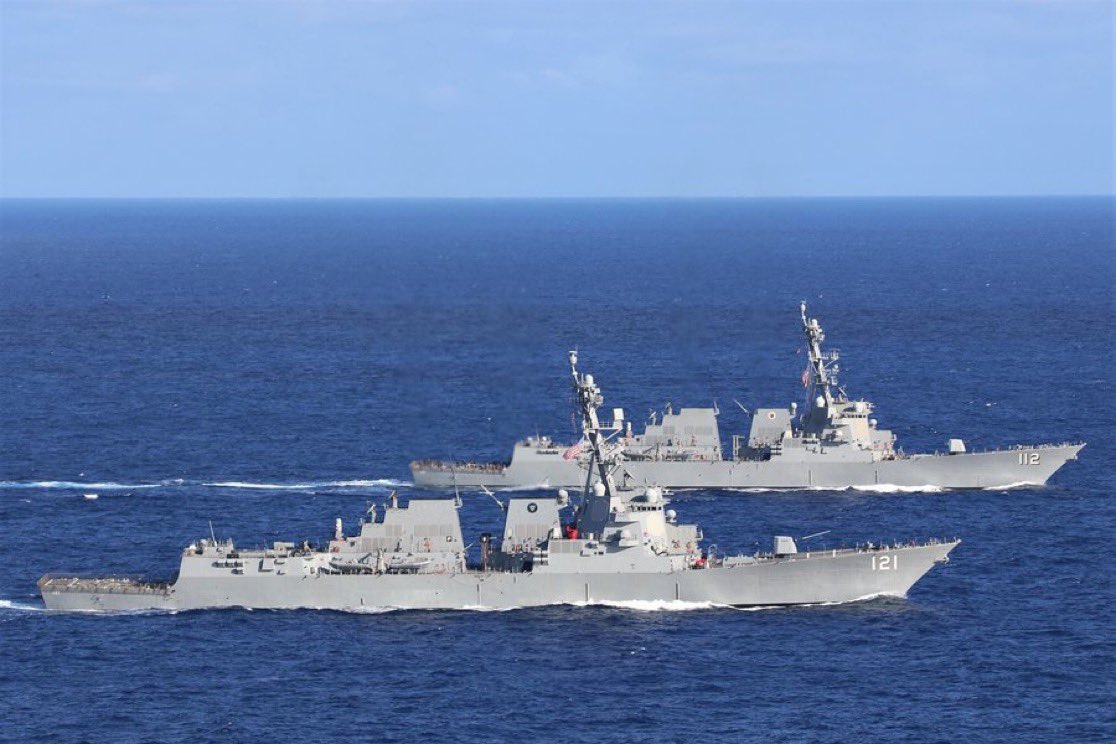
The blockade converts Iran's economic leverage into a military dependency. As crude exports collapse, Iran's ability to fund proxy operations (Houthis, Iraqi militias, Hezbollah) without direct state subsidy declines, forcing the IRGC to choose between sustaining operations or preserving hard currency reserves.
Simultaneously, the blockade's reliance on sustained U.S. naval presence in the Gulf diverts carrier and destroyer assets from Pacific contingency planning — if China interprets this as a window to move on Taiwan, the blockade becomes a strategic liability rather than a coercive tool.
This is a de facto economic siege.
A full port blockade cuts Iran's primary export route for crude oil and liquefied natural gas — the revenue streams that fund both the state budget and proxy operations across the region. The impartiality clause means third-country vessels (Chinese, Indian, Russian tankers) will be interdicted, forcing a choice: comply with U.S. enforcement or face seizure.
This converts the military confrontation into a coercive economic instrument and eliminates any remaining diplomatic off-ramp — Iran cannot negotiate its way out of a blockade without U.S. concessions it has already rejected (per Vance's failed Islamabad round on April 12).
Watch whether China or India formally protest or attempt sanctions-busting tanker routing; if either does, the blockade becomes a proxy test of great-power alignment in the Gulf. The blockade also exposes U.S. naval logistics: maintaining enforcement across Iranian territorial waters and the Gulf of Oman requires sustained surface and air coverage that competes with other Pacific Command commitments.
The announcement does not specify: enforcement rules of engagement (will the Navy fire on blockade runners?), how long the blockade will remain in effect, whether allied navies (UK, France) will participate in enforcement, or what triggers removal.
Fault Lines
Strategic intelligence, synthesized daily — with a public track record. Every call graded against what actually happened.