Army Accepts 80% Solutions in Combat; Prioritizes Speed Over Perfection
This doctrine shift will compress procurement timelines for active-theater systems, favoring vendors with existing modular architectures (RTX, L3Harris, SAIC) over those requiring lengthy integration cycles.
In the current Iran conflict context, units requesting urgent capability upgrades will cite this 80% standard to justify emergency contracts, accelerating awards to companies that can field iterative solutions within 90-180 days rather than 18-36 months.
Conversely, this creates risk for primes that have bet on high-assurance acquisition — they may find themselves undercut by lower-cost, lower-maturity competitors now deemed acceptable.
This indicates the Army is abandoning traditional perfectionist acquisition cycles in favor of rapid fielding — a doctrine shift that will accelerate vendor selection for urgent requirements but expose early-stage systems to combat stress testing.
Given the active Iran conflict and 50,000+ US troops now deployed to the Middle East, this philosophy will compress vendor qualification windows and favor companies with modular, upgradeable platforms over those betting on single-generation perfection. Watch for this to appear in FY26-27 rapid acquisition notices and emergency procurement justifications.
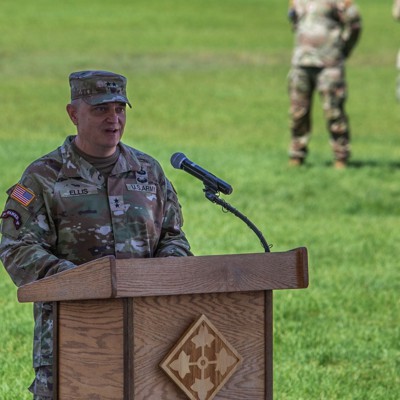
The article does not specify which systems or programs the 4th ID commander is referring to, or whether this represents official Army doctrine or a local unit adaptation.
Fault Lines
Strategic intelligence, synthesized daily — with a public track record. Every call graded against what actually happened.