Australian Sailors' Presence on US Sub Raises Allied Liability in Indo-Pacific Strikes
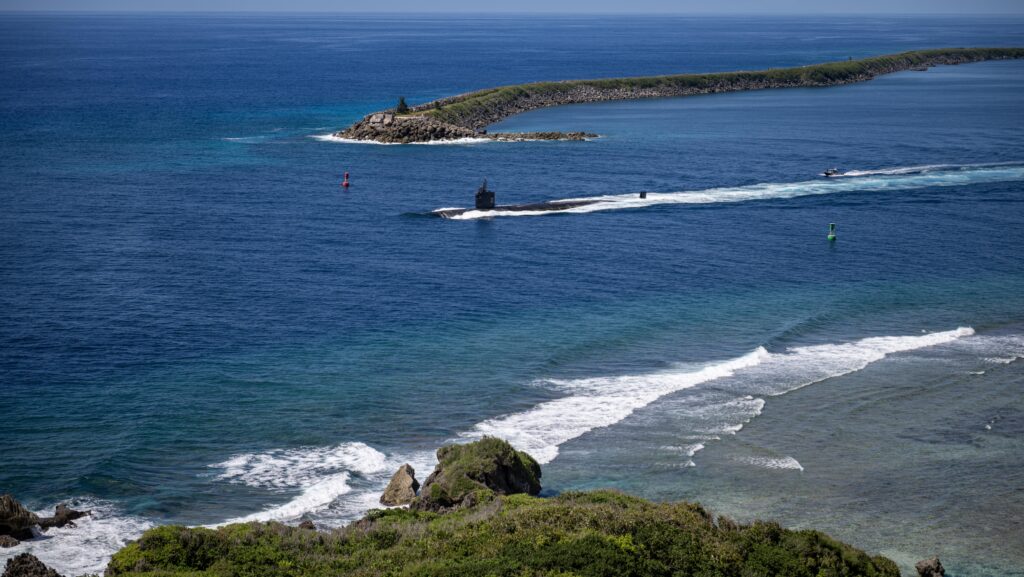
Allied personnel restrictions on US strike platforms will force redesign of forward-deployed combined taskforces in the Indo-Pacific.
If Australia and India impose rules limiting their sailors' participation in offensive operations, US submarines and surface strike groups lose real-time allied targeting input during contingencies where multi-national coordination determines strike timing — a critical variable in any Taiwan scenario where allied air/naval coordination windows are measured in hours.
This also creates incentive for allied navies to develop parallel strike capabilities independent of US platforms, accelerating regional naval procurement and reducing interoperability precisely when it's most operationally needed.
Allied personnel embedded on US strike platforms creates a new liability surface in the US-Iran conflict.
If Australian or Indian sailors are deemed combatants under international law, their home governments face domestic political pressure and potential legal exposure to Iranian retaliation or ICC jurisdiction claims.
This complicates force interoperability in the Indo-Pacific — allied navies may restrict personnel exchange on US platforms during active kinetic operations, degrading real-time coordination in future Taiwan contingencies where such embeds are critical to allied strike timing.
Albanese's denial also signals political distance from the operation, suggesting allied governments are managing domestic opposition by decoupling from US targeting decisions even while participating in the strike infrastructure.
The article does not specify whether India has confirmed or denied its nationals' presence, nor does it clarify the legal status of allied personnel under US rules of engagement — whether they were observers, operators, or had targeting authority.
Fault Lines
Strategic intelligence, synthesized daily — with a public track record. Every call graded against what actually happened.