Putin-Orbán Call Surfaces Hungarian POWs in Ukraine — Prisoner Exchange Leverage Point
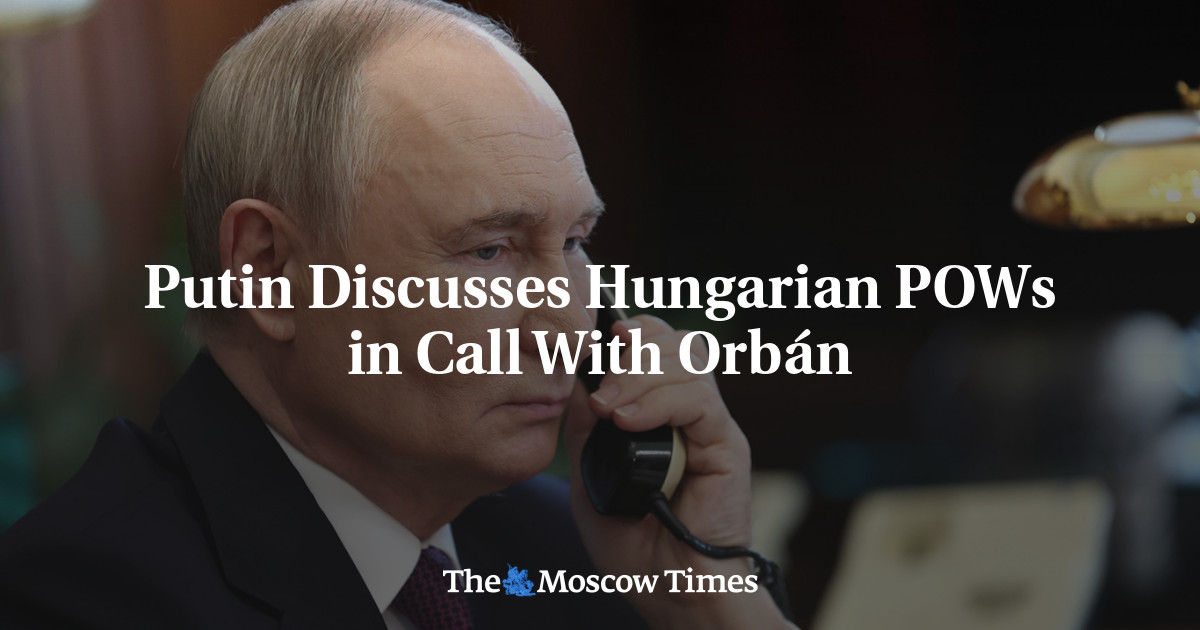
If Russia successfully leverages Hungarian POWs to extract concessions on sanctions or NATO operational support, it splinters the alliance's secondary-state consensus on Ukraine—forcing the US and core NATO members to either accept Hungarian defection on specific votes or escalate pressure on Budapest, which risks pushing Orbán further toward Moscow.
This converts a humanitarian issue into a geopolitical tool that operates through NATO's consensus-based decision-making structure.
Hungary's NATO membership and EU status create a diplomatic lever for Moscow.
If Russia conditions POW releases on Hungarian policy shifts—reduced arms transfers to Ukraine, NATO intelligence sharing restrictions, or EU sanctions relief—this becomes a fracture point in allied cohesion. The fact that Putin raised it directly with Orbán (rather than through Red Cross channels) suggests Moscow views the issue as a negotiating asset, not a humanitarian matter.
What matters next: whether Orbán reciprocates by publicly advocating for sanctions relief or reduced NATO support to Ukraine, which would expose Hungary's vulnerability to Russian pressure and test allied resolve on secondary sanctions and intelligence sharing.
The article does not state how many Hungarian POWs are held, whether Hungary has formally requested their release, what terms (if any) Russia has proposed, or Orbán's response to Putin's overture.
Fault Lines
Strategic intelligence, synthesized daily — with a public track record. Every call graded against what actually happened.