UK, Netherlands, Belgium Transfer Mine-Countermeasure Vessels to Ukraine Black Sea Operations
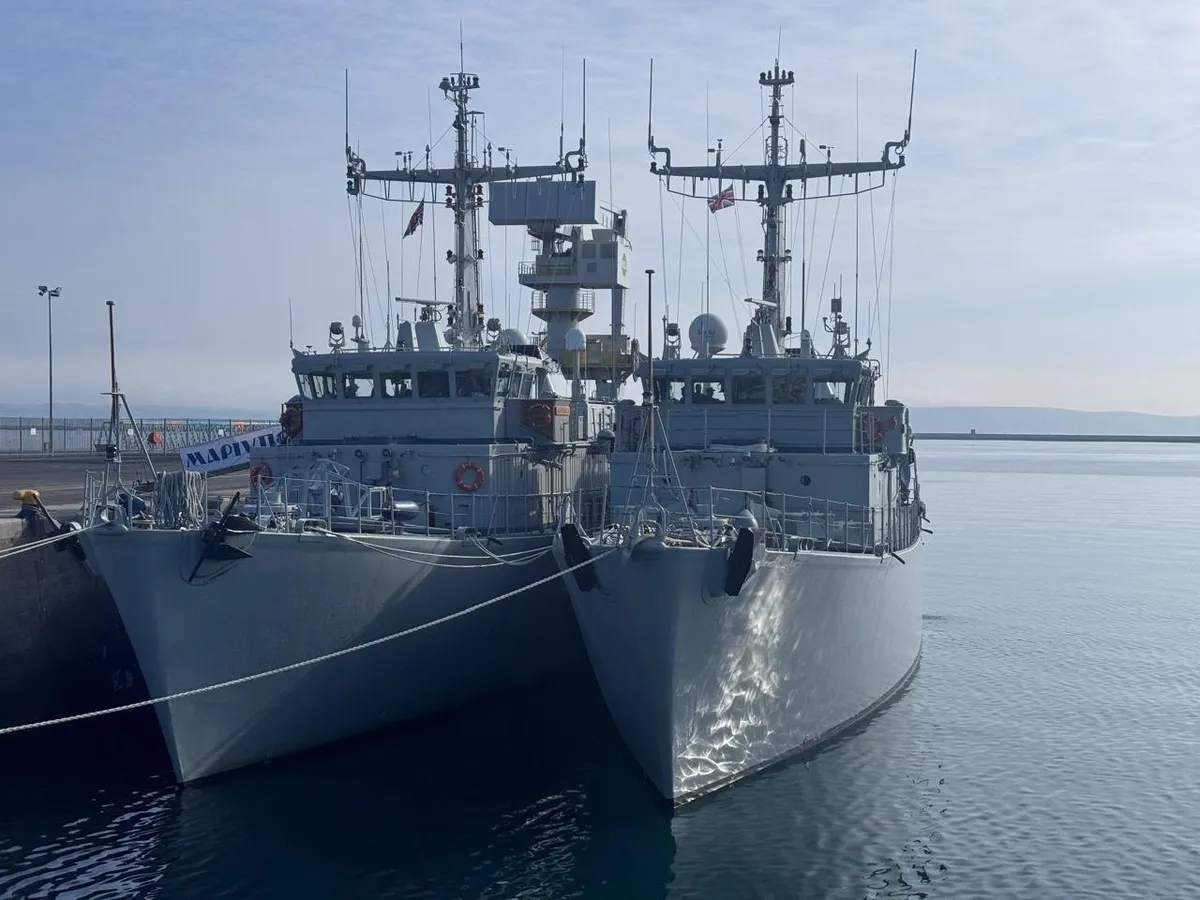
MCM capability directly enables grain and energy exports from Ukraine, which reduces global commodity price pressure and weakens Russia's economic leverage—a direct linkage between naval capability and sanctions evasion.
Sustained Black Sea corridor operations also reduce the logistical burden on NATO supply lines to Ukraine, freeing NATO airlift and sealift capacity for other contingencies (e.g., Taiwan, Baltic reinforcement).
Conversely, if these vessels are lost to Russian strikes, Western donors face pressure to replace them, competing for shipyard capacity against allied naval modernization programs (Australia's SEA 3000 Mogami frigates, UK Type 26 frigate production).
This transfer addresses a concrete operational gap: Ukraine's ability to clear Russian-laid mines and restore merchant shipping through the Black Sea.
MCM vessels are force-multipliers with long lead times (12-24 months to build), making transfers of existing platforms more efficient than procurement. However, the strategic impact depends entirely on whether Ukraine can sustain these assets under Russian air and missile attack—MCM vessels are slow, non-stealthy, and vulnerable.
If losses exceed operational gains, this becomes a symbolic gesture rather than a capability shift. The real test is whether these vessels enable sustained corridor operations or are attrited faster than they clear mines.
The article does not specify how many vessels were transferred, their class/type, their current operational status, whether they are armed or escorted, or the timeline for deployment.
Fault Lines
Strategic intelligence, synthesized daily — with a public track record. Every call graded against what actually happened.