Rheinmetall Completes NVL Acquisition, Establishes German Navy System House
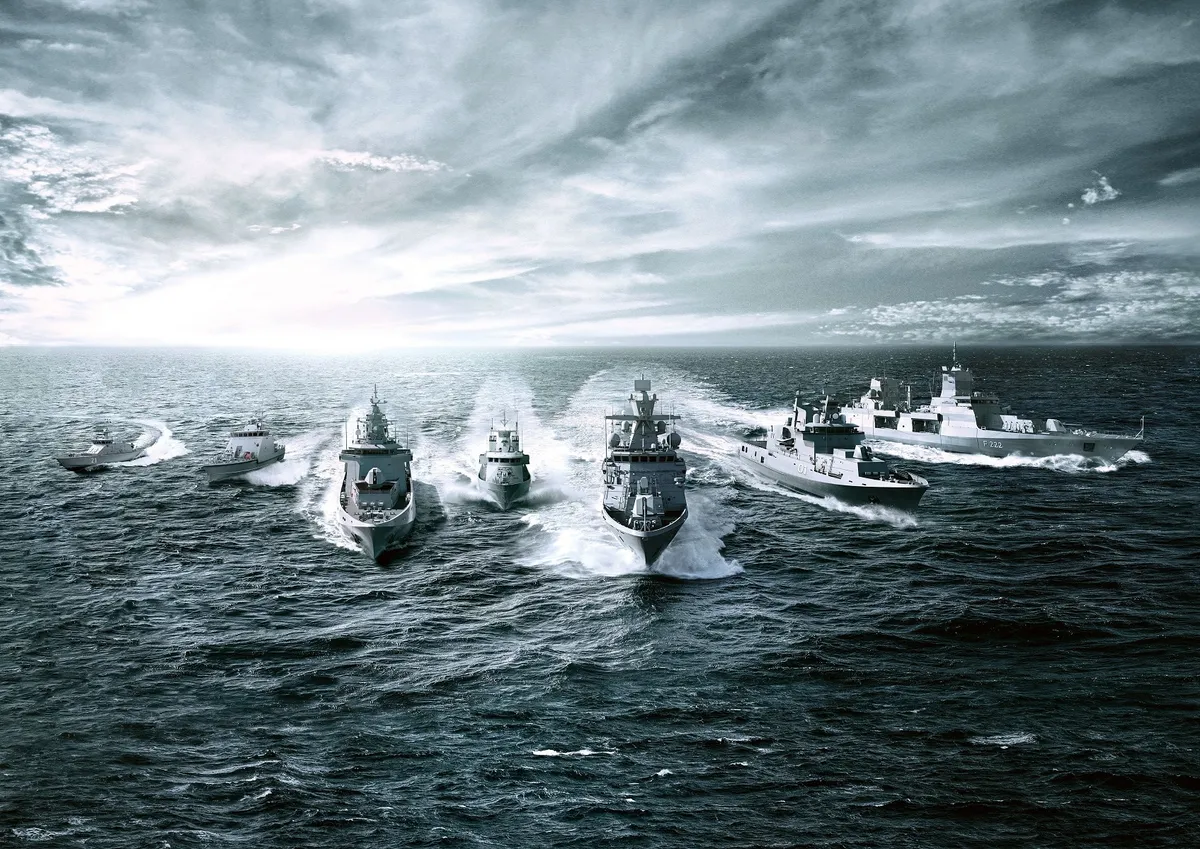
Rheinmetall's ownership of both systems integration and hull construction shortens the design-to-production cycle for German Navy vessels, reducing the time between a capability requirement and fleet delivery. This directly affects German Navy force structure timelines and, by extension, Germany's ability to meet NATO naval commitments in the Baltic and North Sea during the next 5-10 year force posture reviews.
This consolidation concentrates German naval procurement under a single prime contractor with existing defense electronics and systems integration expertise.
Rheinmetall gains organic shipbuilding capability and can now compete for larger German Navy modernization programs (F126 frigate follow-on, submarine upgrades) without subcontracting hull design and construction.
The structure also positions Rheinmetall to serve as a "system house" — meaning a single point of integration for German Navy platforms, which reduces fragmentation but increases vendor lock-in risk for the Bundeswehr. Watch whether this translates to faster German Navy procurement timelines or higher consolidation costs passed to the customer.
The article does not disclose the acquisition price, NVL's current backlog or order book, workforce headcount, or which specific German Navy programs are targeted for integration under Rheinmetall's ownership.
Fault Lines
Strategic intelligence, synthesized daily — with a public track record. Every call graded against what actually happened.