USS Boxer ARG Deployment Accelerates as Trump Pauses Strike Campaign; Forward Positioning Continues
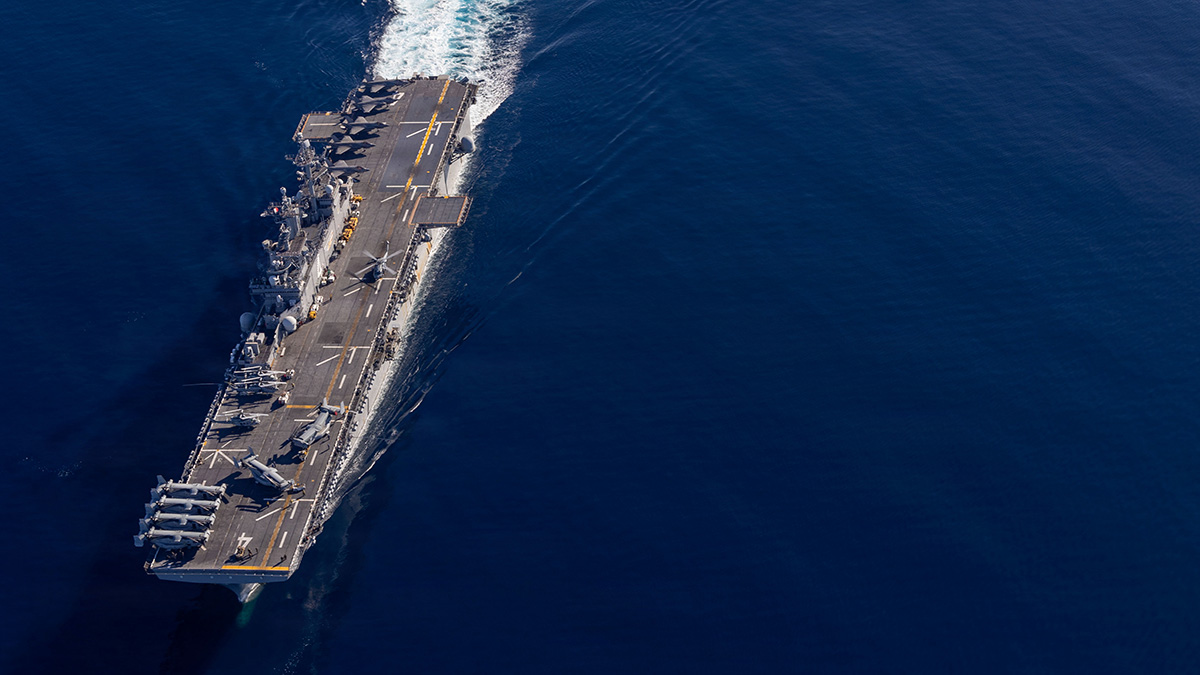
The ARG deployment locks in a forward-positioned strike enabler that can conduct sustained air operations, amphibious operations, or power projection for the duration of the diplomatic pause and beyond.
If the five-day negotiation window closes without agreement, the Boxer ARG becomes the forward platform for renewed US offensive operations without requiring additional deployment timelines — compressing decision-to-action cycles for follow-on strikes on Iranian nuclear or military targets.
This directly affects procurement timing for munitions, spare parts, and expedited maintenance contracts supporting the carrier strike group and allied air defense systems already engaged in the theater.
The simultaneous announcement of a strike pause and accelerated ARG deployment signals that the US is maintaining forward military pressure while creating a negotiation window — not de-escalating.
The Boxer ARG brings amphibious assault, helicopter, and air defense capabilities; its arrival extends US power projection into the Persian Gulf regardless of whether the diplomatic pause holds. If negotiations fail after five days, the ARG will already be positioned for rapid strike support or power projection operations. If they succeed, the ARG presence becomes a deterrent hedge.
For defense contractors, this clarifies that the conflict is entering a posture-and-negotiate phase, not a cessation phase — sustainment, ammunition resupply, and expedited maintenance contracts will remain active across the deployment cycle.
The article does not specify the Boxer ARG's current location, estimated arrival date, or which specific units of the 11th MEU are included. It also does not confirm whether this deployment was pre-planned or newly accelerated in response to the Iran strikes of March 21-23.
Fault Lines
Strategic intelligence, synthesized daily — with a public track record. Every call graded against what actually happened.