NAVSEA Opens LSM VCM Competition, Signaling Shift to Prime Contractor Oversight Model
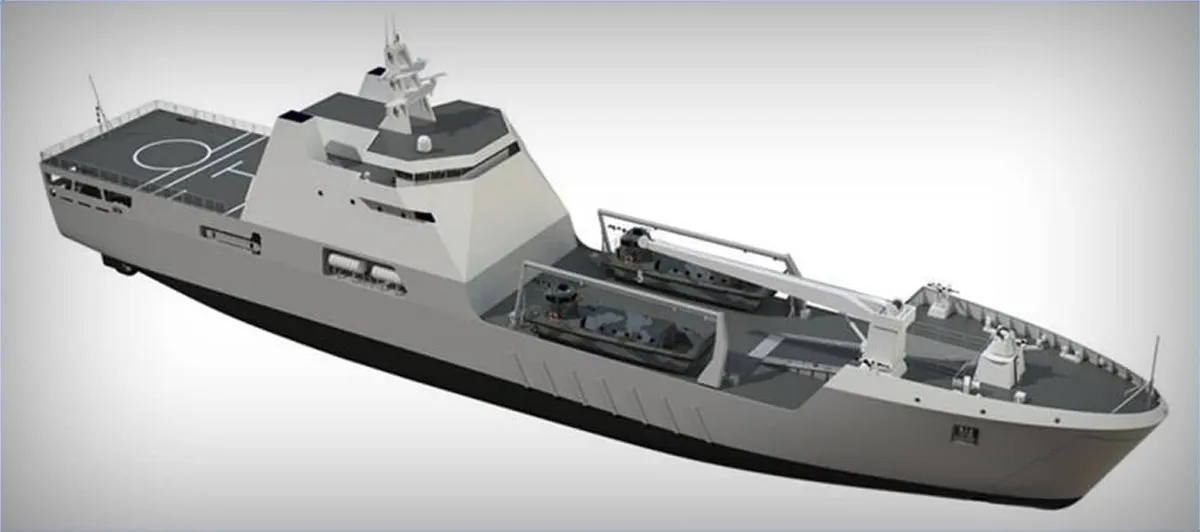
The VCM model transfers Navy integration burden onto a prime contractor, which reduces organic Navy shipbuilding expertise but increases that contractor's leverage in future amphibious platform competitions.
If General Dynamics, Huntington Ingalls, or a non-traditional player wins, their supply chain depth and yard relationships will become a binding constraint on LSM production rates and cost growth — making their performance in this contract a proxy for their capacity to win future large-deck amphibious or expeditionary programs.
The VCM structure concentrates program risk and schedule accountability in a single entity rather than distributing it across multiple prime contractors or Navy-led integration.
This matters for two reasons: (1) Execution risk — if the selected VCM lacks shipyard relationships or supply chain depth, LSM delivery timelines become hostage to that entity's remediation capability; (2) Industrial base leverage — the winning VCM becomes the primary interface between Navy requirements and builder capacity, giving that contractor disproportionate influence over LSM specifications and sustainment architecture for the next 15+ years.
The competitive RFP suggests NAVSEA believes multiple entities can execute this role, but the source does not specify which primes are bidding, whether this consolidates or fragments the amphibious shipbuilding industrial base, or what the contract value and performance incentives are.
The article does not identify which defense primes or shipbuilders are competing, the estimated contract value, the performance metrics tied to the VCM role, or whether this VCM structure applies to future LSM tranches or only the initial production run.
Fault Lines
Strategic intelligence, synthesized daily — with a public track record. Every call graded against what actually happened.