Greece Approves €1B Defense Procurement Including 10 VICTA Submersibles, 10 V-BAT Drones
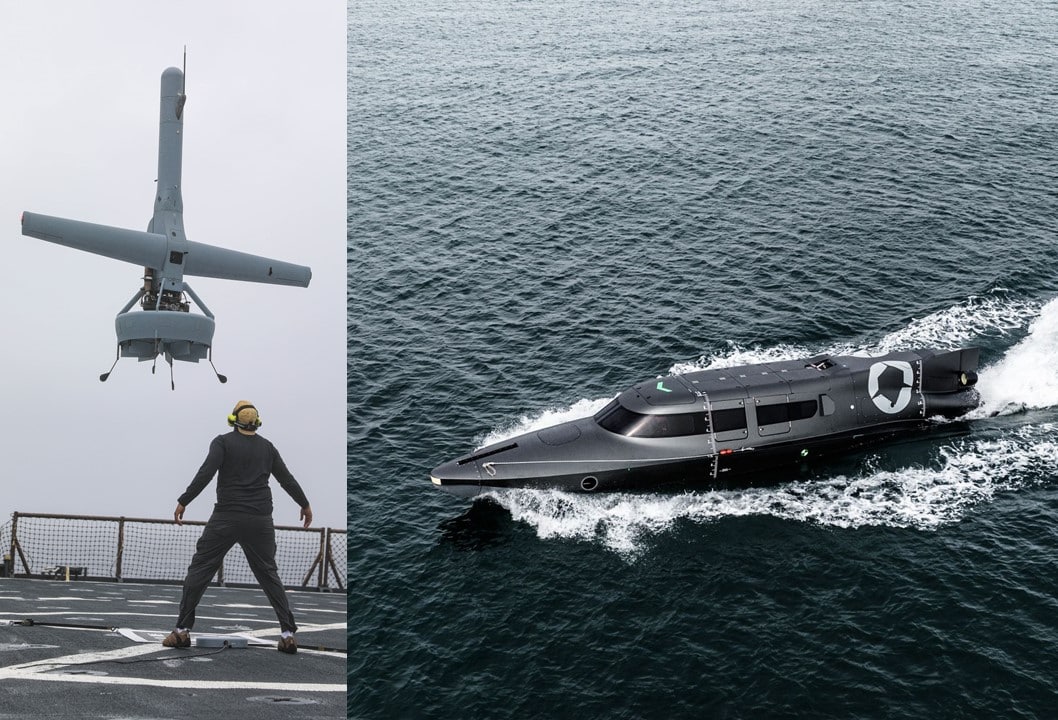
Shield AI's V-BAT now has a NATO footprint that extends beyond US procurement channels. If Poland or Romania adopts V-BAT in the next 12 months, it signals a consolidation of small-form-factor VTOL drones across the Eastern flank — which would pressure Elbit Systems' Hermes 450 and Tactical UAS portfolios in those markets.
SubSea Craft's VICTA is less strategically significant than the drone contract but establishes a new undersea logistics player in the Eastern Mediterranean, where Turkish, Greek, and Russian undersea operations already compete for Aegean and Eastern Med presence.
The real second-order effect: if VICTA proves reliable, it becomes a reference platform for NATO's undersea logistics modernization, potentially displacing European competitors in future NATO-wide solicitations.
This locks Shield AI and SubSea Craft into Mediterranean allied supply chains at a moment when NATO is consolidating drone and undersea ISR across Europe.
Shield AI now has a NATO customer for V-BAT outside the US, which validates the platform's interoperability claim and opens procurement pathways in Poland, Romania, and the Baltics — all of whom watch Greek procurement as a signal of alliance-standard systems.
SubSea Craft's VICTA entry into NATO inventory creates a new undersea logistics layer that Greek and Turkish naval operations will now both operate around, raising coordination risk in the Aegean. Watch the Greek Navy's FY27 budget announcement (expected July) for follow-on tranches — if they order more V-BAT or VICTA units, it signals confidence in the platforms for peer-competitor operations.
Did Greece evaluate Anduril's Ghost Robotics or other US undersea platforms before selecting VICTA, or was SubSea Craft the only bidder? What interoperability agreements did Shield AI negotiate with NATO command structures for V-BAT data-sharing?
Fault Lines
Strategic intelligence, synthesized daily — with a public track record. Every call graded against what actually happened.