Hertha Metals breaks ground on Texas rare-earth iron plant targeting 10,000-tonne annual capacity
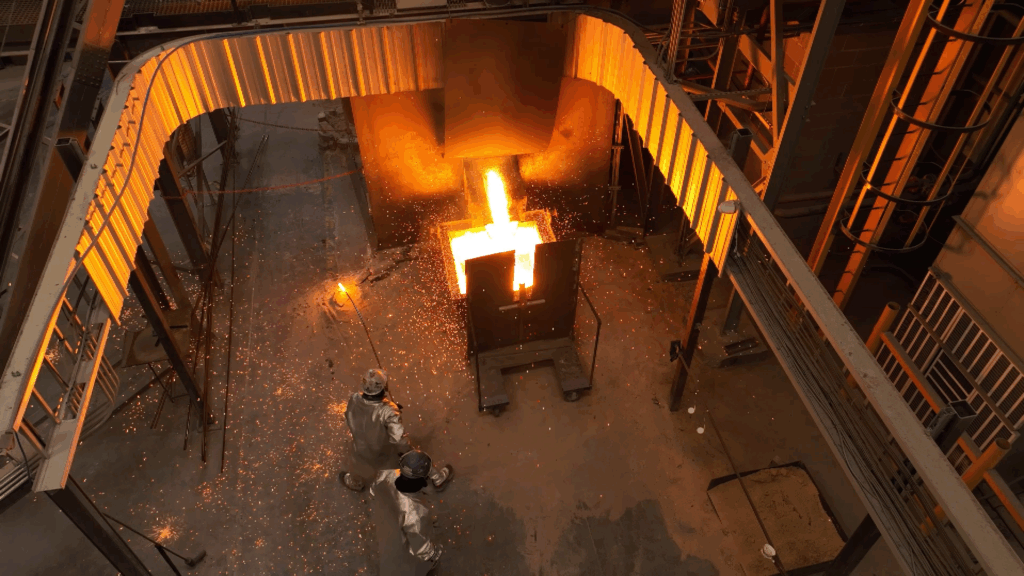
If Hertha reaches 10,000 tonnes per year on schedule, it reduces but does not eliminate dependence on foreign rare-earth processing. The constraint is not raw ore or even separation—it's the specialty metallurgy required to produce magnet-grade iron with the purity tolerances that permanent-magnet manufacturers demand.
A single domestic source at this scale does not de-risk the supply chain; it creates a single point of failure if the plant encounters yield issues or demand spikes. The real test is whether this success attracts follow-on capital into the magnet-alloy production layer, where China still controls roughly 70% of global capacity.
Permanent magnets are critical inputs for advanced weapons systems—missile guidance, radar, electric propulsion, and directed-energy platforms all depend on them.
The U.S. currently sources rare-earth magnets through a fragmented supply chain with heavy reliance on China-processed materials.
A domestic high-purity iron supplier at 10,000 tonnes annually is incremental capacity, not transformational, but it signals that venture and industrial capital are beginning to fill specific nodes in the rare-earth industrial base that DoD procurement timelines have exposed as vulnerabilities.
Watch whether this plant achieves nameplate capacity on schedule—if it does, it becomes a reference case for follow-on investment in magnet-grade alloy production, which remains the actual bottleneck.
What is Hertha's timeline to nameplate capacity, and does the 10,000-tonne annual run rate assume continuous operation or account for the startup ramp typical of metallurgical facilities?
Fault Lines
Strategic intelligence, synthesized daily — with a public track record. Every call graded against what actually happened.