DHS Plans 5G-Connected Drone Surveillance Trial on US-Canada Border This Fall
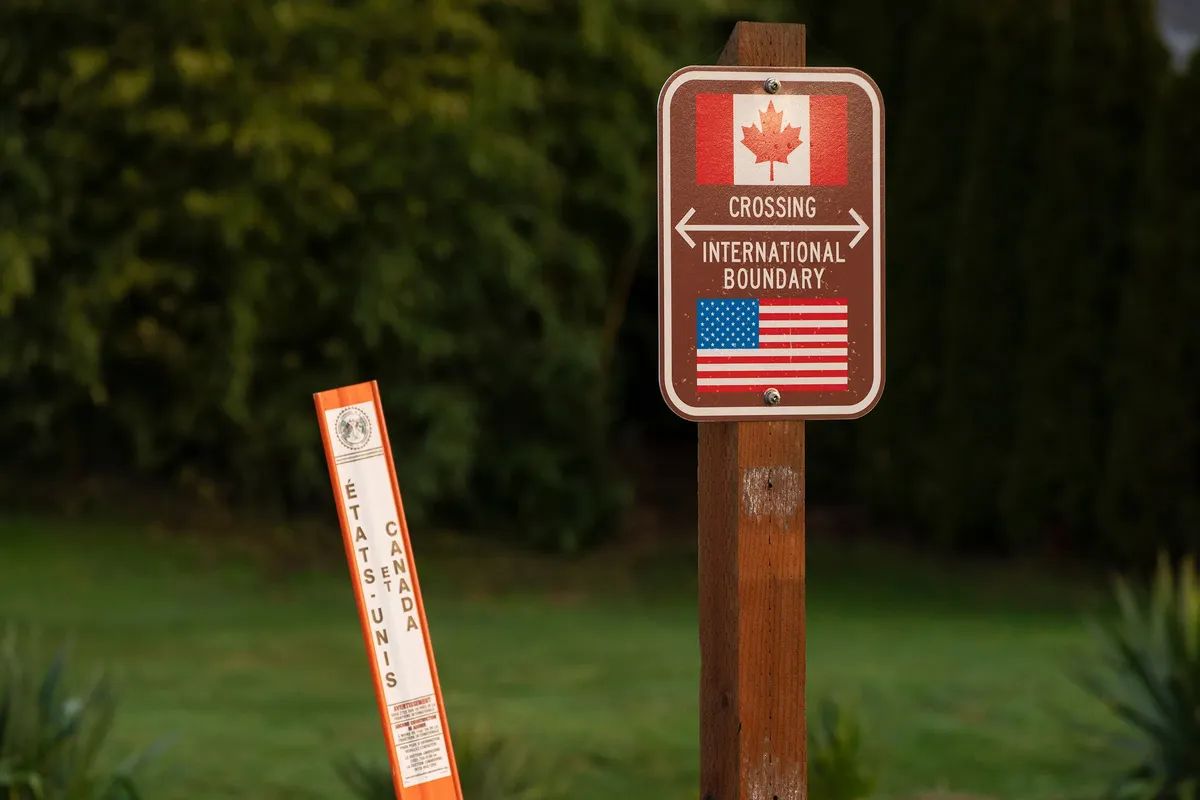
The 'battlefield intelligence' framing is revealing — it suggests DHS is modeling the border as a kinetic domain, which accelerates the militarization of domestic surveillance infrastructure. If autonomous systems prove reliable, CBP will push for inland deployment (100+ miles from the border), which triggers Fourth Amendment litigation and forces DOJ to defend warrantless drone surveillance in federal court.
That legal fight will either constrain or legitimize domestic drone ops across all agencies. The 5G dependency also creates a supply-chain vulnerability: if Ericsson or Nokia gear is embedded in border networks, future sanctions or export controls on telecom equipment will directly degrade CBP operational capability.
This trial forces DHS and CBP to operationalize 5G-dependent surveillance infrastructure in a contested RF environment — testing whether autonomous systems can maintain data integrity and latency under real-world conditions where adversaries (Chinese, Russian intelligence services operating signals collection against North American infrastructure) will probe for vulnerabilities.
If the trial succeeds, it becomes the blueprint for inland border deployments, which means CBP must budget for hardened 5G networks and drone logistics at 20+ sector headquarters by FY28 — a line item that will compete directly with legacy sensor modernization. Watch whether the trial includes actual adversarial testing (red-team RF jamming) or remains a benign technology demonstration.
Does the trial include live adversarial RF testing, or is it a proof-of-concept under permissive conditions? Will DHS disclose failure modes, or will this become a classified program that obscures capability gaps?
Fault Lines
Strategic intelligence, synthesized daily — with a public track record. Every call graded against what actually happened.