Ukraine Opens EU Accession Talks as Army Overhauls Pay, Contracts, Foreign Recruitment
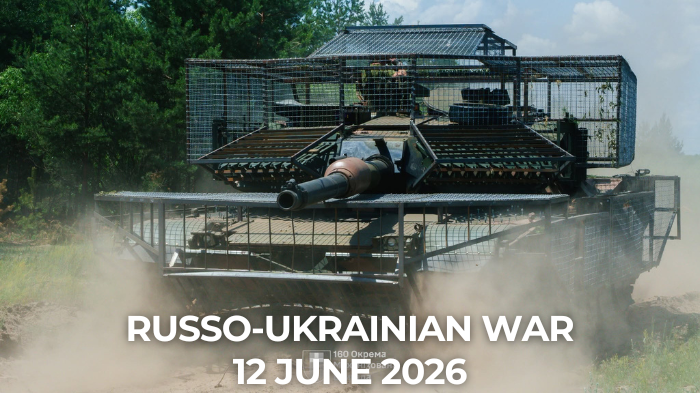
The accession opening decouples Ukraine's military sustainability from alliance unity. If accession proceeds on a 18-24 month timeline, Ukraine gains access to EU defense procurement frameworks and co-production agreements that reduce dependence on US LRIP cycles—exactly what Poland flagged in its NATO complaint about 2029-2030 delivery windows.
However, if Russian strikes escalate to NATO territory (a live risk given the active Hormuz retaliation cycle and Iran's demonstrated willingness to extend strikes beyond initial targets), the EU's accession process becomes hostage to emergency NATO mobilization.
The accession pathway removes Moscow's primary lever for fracturing the Western alliance—Hungary's veto—and locks in EU military-industrial support obligations precisely as Ukraine's army shifts to a professional, contracted model that requires sustained foreign recruitment and higher pay.
The timing is not coincidental: Ukraine cannot sustain this force restructuring without the capital flows and procurement certainty that EU membership guarantees. Watch whether the accession timeline (2027-2028 target) holds if Russian strikes on civilian infrastructure trigger another wave of Polish or Baltic demands for NATO Article 5 activation, which would consume EU institutional bandwidth.
What specific changes to Ukraine's military contracts and pay scales did Kyiv announce? The article mentions 'fixed contracts' and 'more foreigners' but provides no numbers on salary increases, contract duration, or target foreign recruitment levels—critical data for assessing whether Ukraine can re...
Fault Lines
Strategic intelligence, synthesized daily — with a public track record. Every call graded against what actually happened.