Israel Delivers Tamir Interceptors to US Marine Corps; MRIC Deployment Accelerates Amid Iran Blockade
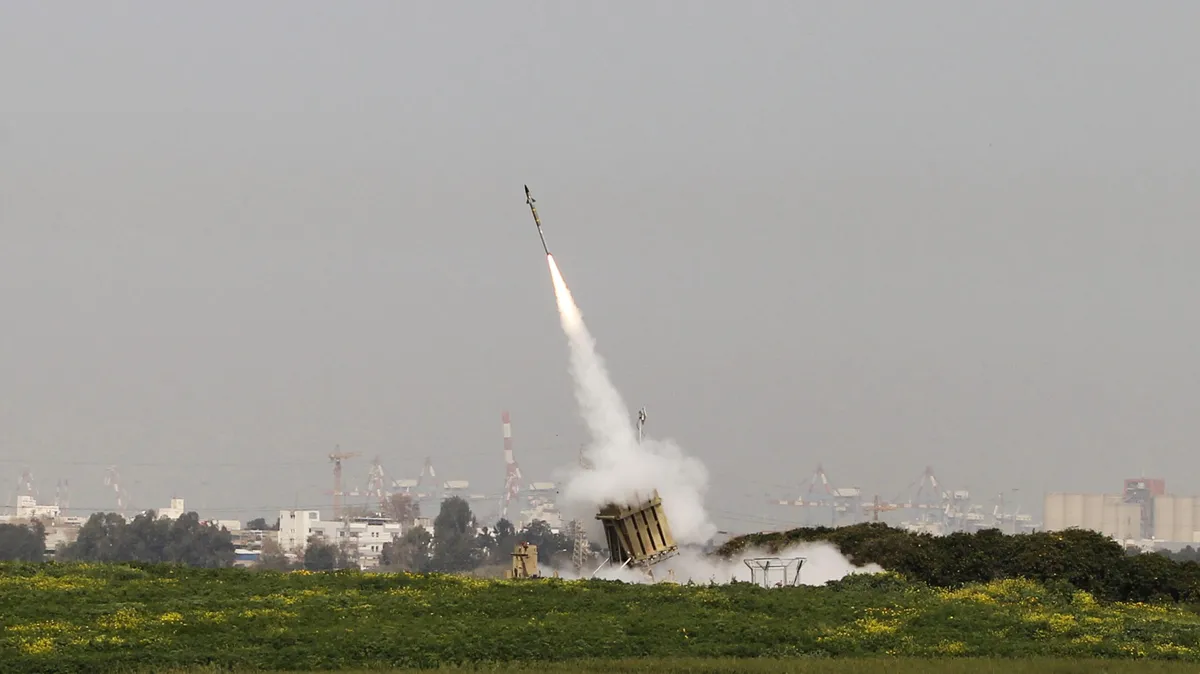
MRIC fielding shortens the decision window on Iran strikes by reducing air defense vulnerability for expeditionary forces. If interceptor supply tightens, the Pentagon's risk calculus on sustained operations in the Gulf shifts — forcing either accelerated domestic air defense procurement (which doesn't exist at scale) or earlier termination of the blockade. This ties market capacity directly to escalation timing.
This is operational integration, not procurement theater.
The MRIC program moves from concept to fielded capability during active conflict — the Marines now have a proven air defense system in theater without waiting for a domestic alternative.
Iron Dome's track record against cruise missiles and drones is documented; the Tamir interceptor costs roughly $40-50K per shot, which is sustainable at current operational tempo but becomes a constraint if Iranian drone attrition accelerates. The real constraint is production capacity: Israel's interceptor manufacturing is finite, and CENTCOM's demand will compete with Israeli Air Force requirements.
If the blockade extends past six months, interceptor supply becomes the limiting factor on forward-deployed air defense, not platform availability.
What is the agreed throughput on Tamir production for MRIC, and does it scale if Iranian drone strikes intensify against U.S. or allied assets in the Gulf?
Fault Lines
Strategic intelligence, synthesized daily — with a public track record. Every call graded against what actually happened.