TKMS Locks Greek Submarine MLU to Skaramangas; Locks Out Allied Yards
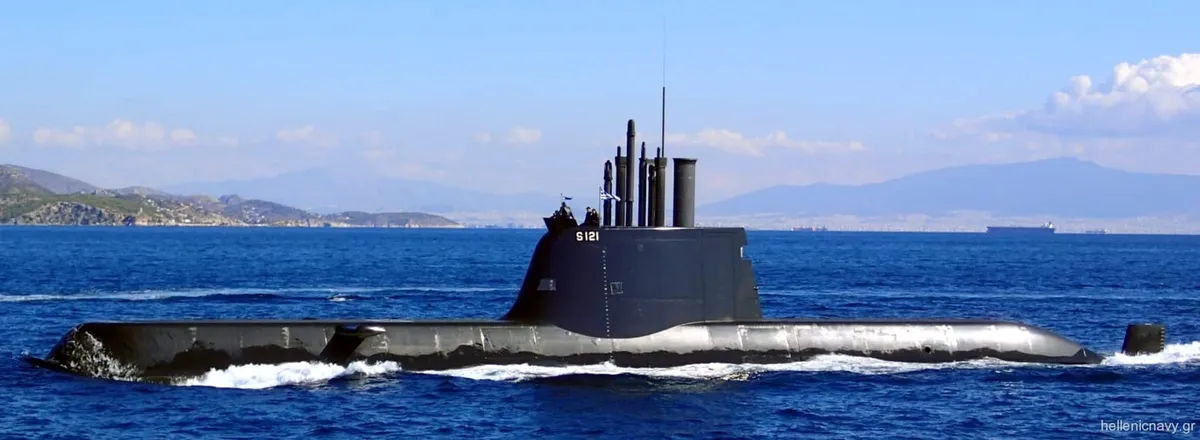
The exclusive OEM arrangement tightens German industrial control over NATO's Eastern Mediterranean deterrent posture.
If TKMS controls the technical architecture and supply chain for Greece's only modern submarine platform, Berlin gains veto power over Greek operational decisions that affect NATO-Turkey dynamics—a leverage point that becomes relevant if Germany's Russia policy diverges from Allied consensus on Ukraine support or Levantine operations.
Conversely, it removes a procurement option if Greece seeks to diversify away from German dependency during a period of NATO-wide industrial strain.
This locks German shipbuilding into the Greek submarine supply chain for the next 8-12 years and forecloses bids from Italian, Spanish, or French yards competing for Hellenic Navy work.
Skaramangas becomes the only authorized MLU contractor in the Eastern Mediterranean, which matters: Greece's submarine fleet is the backbone of NATO's Aegean presence against Turkish naval expansion, and exclusive OEM control over upgrades means spare parts, software patches, and future modernization flow through Berlin and Athens only. No other NATO ally can bid into this work or establish parallel logistics.
The exclusivity clause is the real leverage point—TKMS controls the technical baseline for the next generation of Greek submarine capability.
Does the exclusivity agreement extend to future Class 214 construction, or only to the four existing hulls' MLU? If TKMS has locked down new-build rights as well, this is a market capture play in a region where France and Italy have been competing for frigate and submarine contracts.
Fault Lines
Strategic intelligence, synthesized daily — with a public track record. Every call graded against what actually happened.