Chinese Data Center Firm Procured 300 H100 Servers Worth $92M Despite US Export Ban
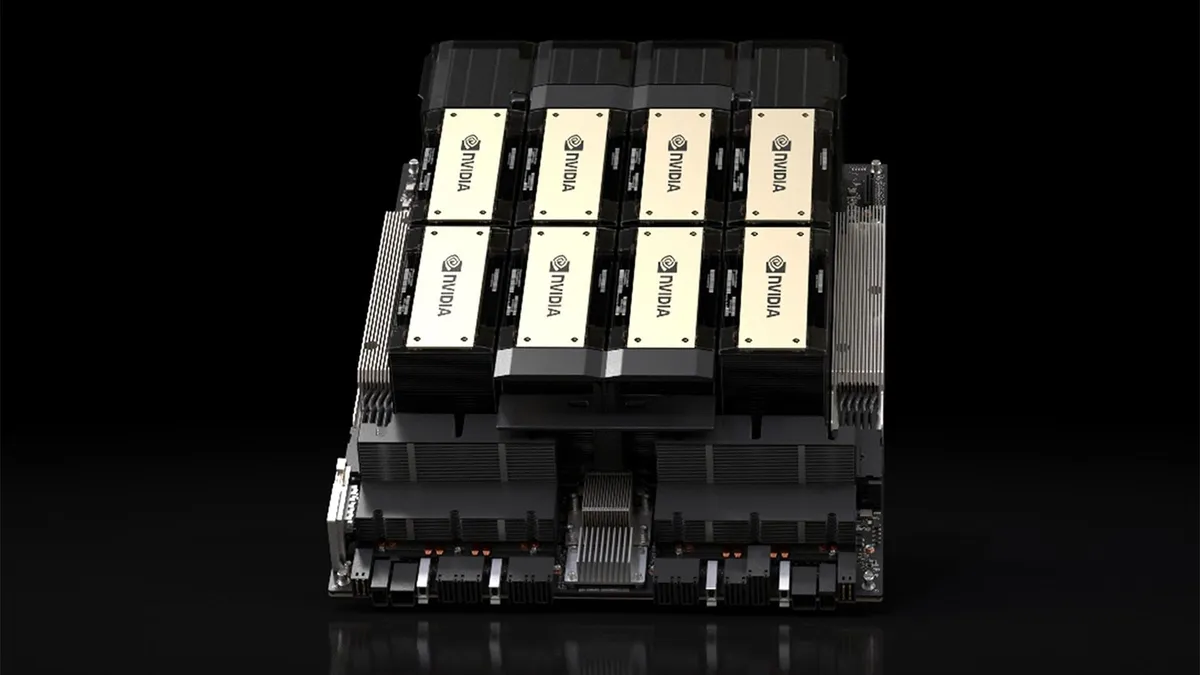
Chinese acquisition of H100s at scale directly undermines the export control pillar of US AI deterrence strategy. If Beijing can source banned chips through server integrators faster than Commerce can close loopholes, the timeline for Chinese AI-enabled military systems (autonomous swarms, targeting algorithms, logistics optimization) compresses relative to US planning assumptions.
This feeds into the broader context of the MATCH Act (bipartisan chipmaker controls announced April 10) — the fact that Super Micro and Sharetronic violations are occurring *while* new legislation is being drafted suggests the current control architecture is failing in real time, not prospectively.
This confirms a specific enforcement gap in the H100 export regime: Chinese firms are procuring banned chips through server configurations that may have evaded initial screening.
The $92M transaction volume suggests systematic sourcing, not one-off procurement. For defense investors, this matters because it demonstrates that export control enforcement against advanced AI compute remains porous — a critical variable for assessing whether US technological advantage in AI-dependent systems (autonomous weapons, ISR, logistics optimization) can be sustained against peer competitors.
The stock reaction in Sharetronic indicates market recognition that supply chain compliance risk is now priced into data center vendors. However, the article does not specify whether the servers were delivered, intercepted, or remain in transit — a material distinction for assessing enforcement effectiveness.
Did the 300 servers reach end-users in China, or were they interdicted? The article does not clarify the status of the shipment or whether this represents a completed violation or a caught attempt.
Fault Lines
Strategic intelligence, synthesized daily — with a public track record. Every call graded against what actually happened.