EU Closes Russian LNG Loophole; Bars European Operators From Global Yamal Trade
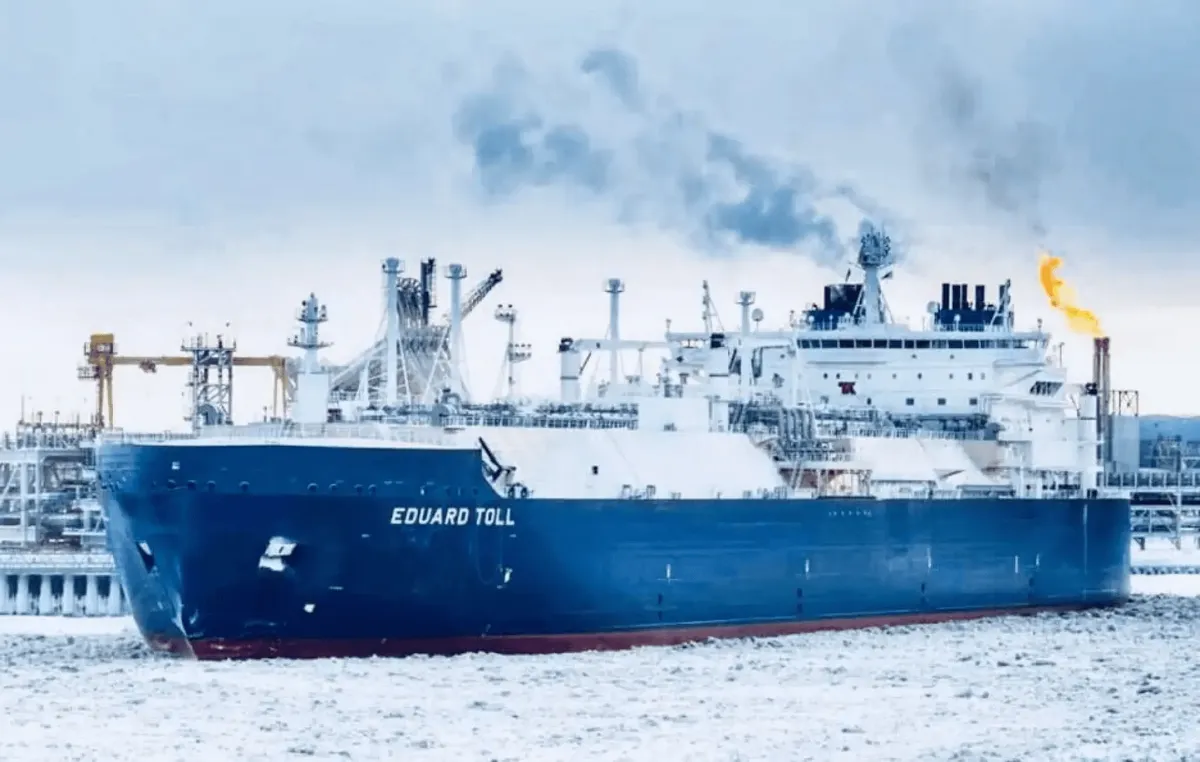
If European shipping exits, Sovcomflot must either source non-EU tonnage (forcing higher costs and longer routes via Chinese yards) or negotiate with sanctioned Iranian or Syrian operators — both of which expose Moscow to secondary sanctions from Washington and London.
The second-order effect: Arctic LNG 2 becomes stranded capacity unless Russia can sustain the route via non-Western logistics infrastructure, which it cannot do at scale.
This also accelerates the Thai Land Bridge project (already resurrected per prior signal context) by removing a competing energy corridor — Asian refiners facing higher Russian LNG costs will route more via Thailand overland than via the Strait of Hormuz.
This forces European shipping companies and energy traders to choose: exit the Russian LNG market entirely or face secondary sanctions.
The mechanism is enforcement scope — Brussels is now treating any EU operator involvement in Russian LNG as a sanctionable act, not just imports into Europe. The constraint hits hardest on Sovcomflot, the Russian Arctic LNG operator, which relies on European vessels (Wärtsilä engines, EU insurance, Rotterdam refinancing) for 60-70% of global LNG logistics.
If enforced, this collapses the arbitrage that kept Yamal flowing to Asia despite the 2022 invasion. Watch whether Brussels begins designating individual European shipping firms or insurance underwriters by Q3 2026 — that's the enforcement inflection point.
Does the EU clarification apply retroactively to existing contracts, or only to new shipments? The article doesn't specify the effective date or grace period for operators already committed to Russian LNG routes.
Fault Lines
Strategic intelligence, synthesized daily — with a public track record. Every call graded against what actually happened.