AFCENT Awards $270M Solar-Powered ISR Drone Contract Amid Active Iran Conflict
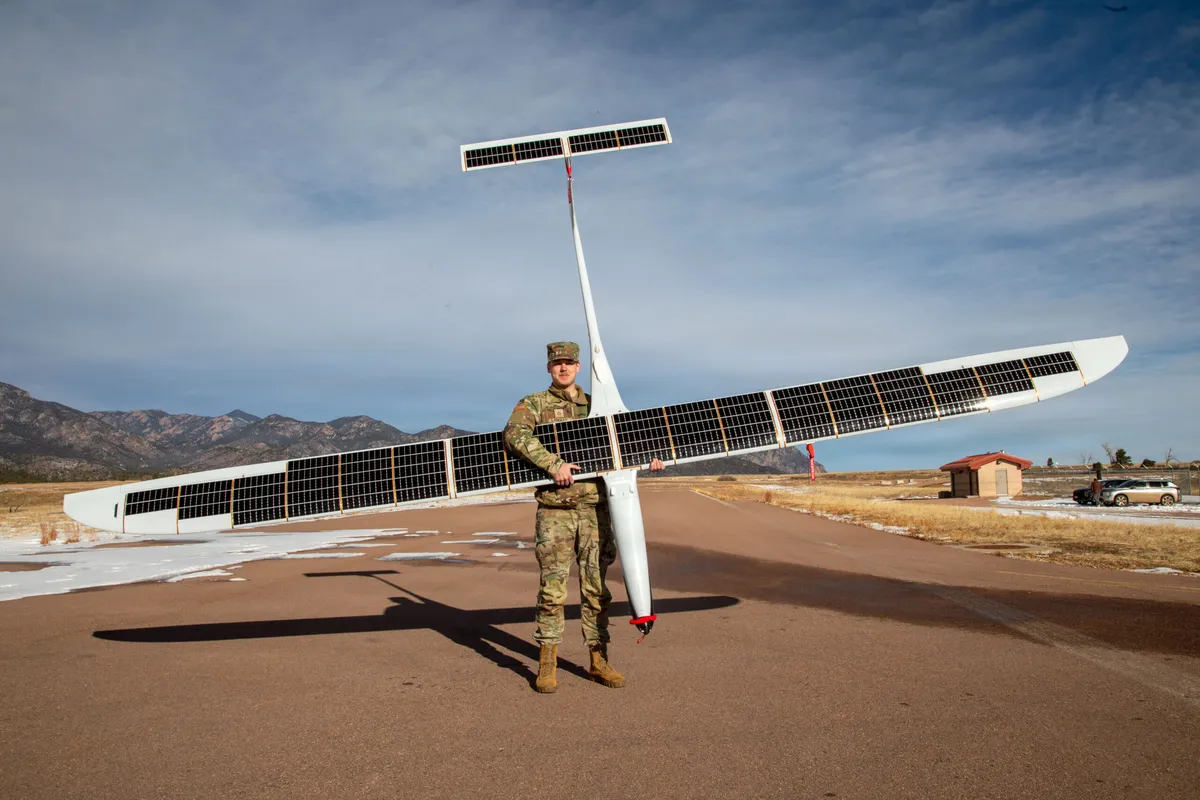
The timing of this contract award — issued April 10, two days after Iran blockaded Hormuz and struck Saudi energy infrastructure — indicates the Pentagon is converting observed gaps in persistent coverage into procurement action.
If the contractor is General Atomics (MQ-9 producer) or AeroVironment (smaller tactical UAS), the production ramp will compete for supply-chain bandwidth against the concurrent Lockheed PAC-3 expansion (announced same day: 2,000 units annually vs. prior 600), potentially delaying either program if manufacturing capacity is shared or subcontractor-constrained.
This procurement accelerates ISR capacity expansion during an active conflict where Iranian blockade of Hormuz (April 8), energy strikes on Saudi facilities (April 9), and militia attacks on US Embassy Baghdad (April 9) have created acute intelligence gaps across the theater.
The 75-hour endurance profile directly addresses the coverage demands created by the fractured ceasefire and distributed threat environment — Iranian militia networks, energy infrastructure targeting, and maritime interdiction require persistent overhead surveillance that manned platforms cannot sustain.
The IDIQ structure signals expectation of follow-on production beyond initial delivery, suggesting confidence in sustained conflict operations. However, the article provides no unit quantity, delivery timeline, or platform identification, leaving unclear whether this is a 50-drone or 500-drone commitment and when operational capability reaches theater.
The article does not identify the contractor, specify initial order quantities, state delivery timelines, or clarify whether this is a new platform or an existing system being scaled. Without these details, the operational impact on theater ISR posture cannot be assessed.
Fault Lines
Strategic intelligence, synthesized daily — with a public track record. Every call graded against what actually happened.