Ukraine Operates Shahed Intercepts from Abroad; Distributed C2 Reduces Strike Exposure
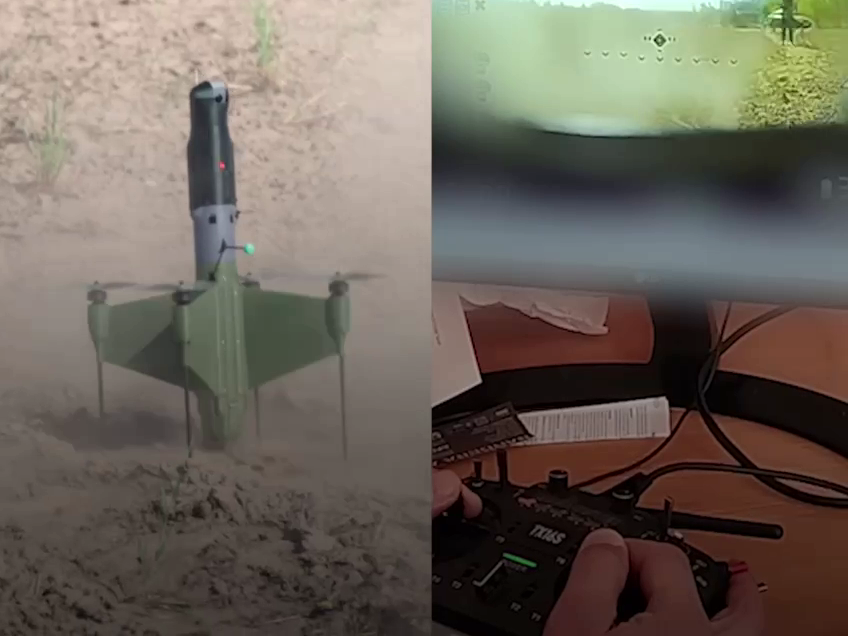
Distributed C2 for air defense operations converts allied territory from rear-area support into operational infrastructure.
If Russia targets Ukrainian command posts operating from Polish or Romanian soil, it forces NATO to either accept strikes on member territory or escalate air defense coverage — narrowing the gray zone between 'support' and 'direct involvement.' This also increases the operational value of AWACS, satellite ISR, and allied air defense networks to Ukraine's survival, making those systems potential escalation triggers.
This is a tactical adaptation that buys Ukraine operational continuity but exposes a critical dependency: allied airspace access and communications infrastructure.
If Russia escalates targeting of allied territory hosting Ukrainian C2, or if any allied government restricts Ukrainian use of its soil for military operations, Ukraine loses the redundancy this system provides. The model also signals that Ukraine's air defense is no longer purely a domestic problem — it's now a NATO interoperability issue.
Any disruption to the communication links between distributed operators and air defense assets in theater becomes a single point of failure.
Which NATO allies are hosting these command centers, and have they formally authorized this use, or is it a de facto arrangement? If formalized, does it create a tripwire for NATO involvement if Russia strikes those facilities?
Fault Lines
Strategic intelligence, synthesized daily — with a public track record. Every call graded against what actually happened.