DIU, Navy Select Anduril for XL-AUV Program; Extended-Range Undersea Payload Capability Advances
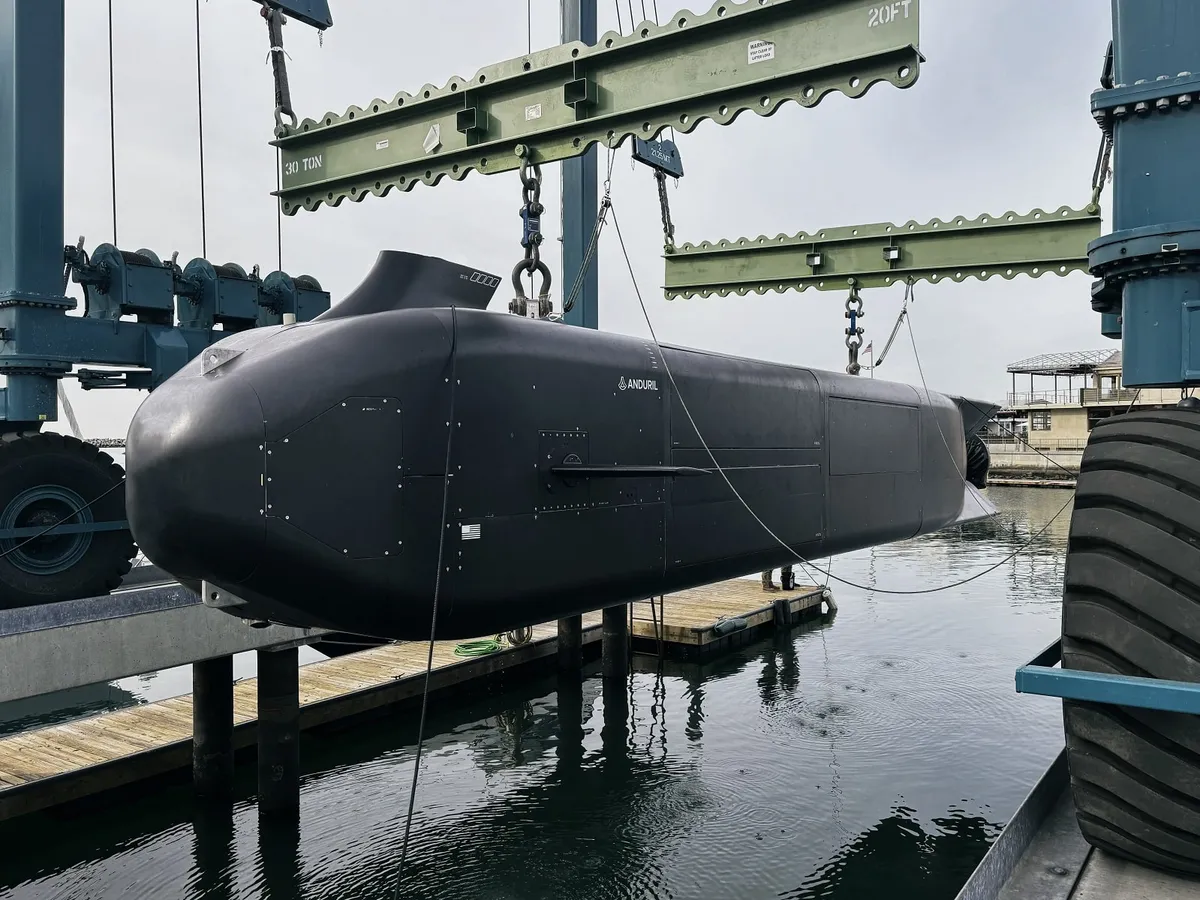
If the XL-AUV is optimized for Indo-Pacific operations and achieves multi-thousand-kilometer range with lethal or ISR payloads, it expands U.S. Navy strike architecture in ways that don't depend on forward bases or surface ships in range of Chinese anti-ship missiles.
This directly competes with Beijing's investment in undersea drone swarms and shifts the cost structure of forward presence — but only if the program delivers operationally relevant range and payload. Without those specifications, this is a technology bet, not yet a force design change.
This procurement targets a specific undersea capability gap but the signal is incomplete without contract value and delivery timeline.
If the XL-AUV is designed to operate in contested waters (South China Sea, Taiwan Strait), it could extend ISR and strike reach into areas where surface vessels face anti-ship missile risk — shifting cost-benefit calculus for Pacific operations. However, the article provides no detail on range, payload capacity, operational theater, or integration with existing Navy architecture.
Anduril's selection matters mainly as validation of the company's autonomy stack; the program's actual strategic weight depends on classified specifications not in this announcement.
What is the contract value, development timeline, and intended operational theater (Indo-Pacific, Atlantic, or both)? What payload types (ISR, mine countermeasures, anti-ship) is the XL-AUV designed to carry, and what range is required to close the identified gap?
Fault Lines
Strategic intelligence, synthesized daily — with a public track record. Every call graded against what actually happened.