ATESH Sabotage Severs Railway Supply Line to Russian Pokrovsk Sector Forces
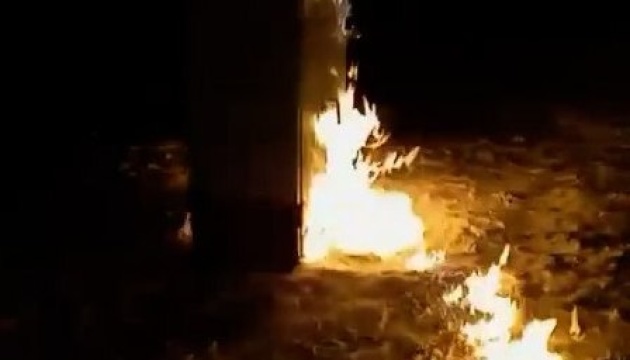
Railway interdiction reduces Russian force concentration without direct combat, extending Ukrainian attrition strategy by forcing logistics detours that consume fuel and time.
If this corridor remains severed for weeks, Russian forces in Pokrovsk sector face either supply shortfall (reducing combat power) or forced reliance on slower road transport (increasing exposure to Ukrainian strike operations on exposed convoys). The logistics constraint directly feeds into force projection capacity — not through procurement delay, but through real-time operational readiness degradation.
If confirmed as the sole stable supply line, this directly constrains Russian operational tempo in a key sector — forcing either reroute through degraded alternatives or temporary logistics starvation.
However, the claim rests entirely on Ukrinform's characterization; independent verification of 'only stable route' status and actual supply impact is absent.
Defense planners tracking Russian force readiness in this sector should flag this as a potential constraint on near-term offensive capability, but should not assume permanent logistics denial without follow-up reporting on repair capacity and alternative routes Russian forces may activate.
The article does not specify: (1) which railway line or segment was targeted, (2) the extent of physical damage or estimated repair timeline, (3) whether Russian forces have secondary rail or road resupply corridors into Pokrovsk sector, or (4) ATESH's claimed success rate on prior railway sabotage...
Fault Lines
Strategic intelligence, synthesized daily — with a public track record. Every call graded against what actually happened.