Space Force Surveys Industry for On-Orbit Refueling Capabilities by 2030
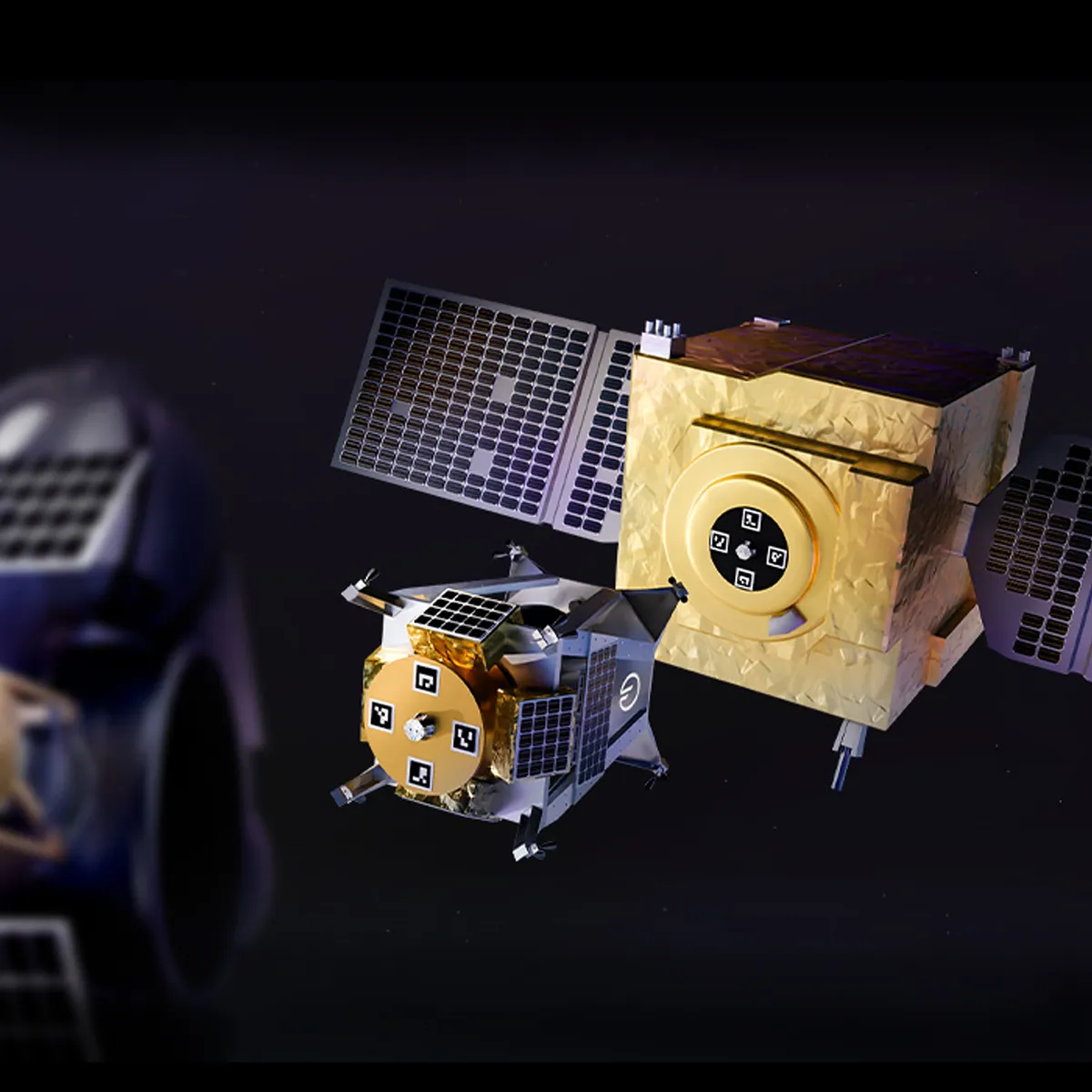
If on-orbit refueling reaches IOC by 2030, it compresses the replacement cycle for military satellites from ~15 years to 20+ years, reducing annual constellation refresh spending and freeing budget for new sensor payloads or proliferated architectures.
This shifts procurement from prime contractors' flagship satellite programs toward specialized servicing vehicle contracts — favoring companies with autonomous rendezvous/docking expertise (e.g., Maxar, Axiom, emerging commercial operators) over traditional bus manufacturers.
Simultaneously, extending satellite life reduces the urgency of next-generation bus development, potentially delaying or canceling programs that depend on constellation turnover.
On-orbit refueling extends satellite operational life and reduces replacement cadence, directly lowering lifecycle costs for constellations that underpin GPS, communications, and ISR missions.
A 2030 operational date signals the Space Force expects mature commercial solutions within 4 years; this timeline constrains which contractors can deliver and shapes RFP timing. The economic viability question suggests cost is a gating factor — if refueling proves cheaper than replacement, it shifts procurement strategy from constellation refresh cycles toward sustainment contracts.
However, the article provides no detail on which contractors are being surveyed, what performance thresholds are being set, or whether this is a formal competitive process or exploratory outreach.
Which contractors are being surveyed? What are the specific technical requirements (fuel capacity, docking interfaces, autonomous vs. crewed operations)? Is this tied to a specific Space Force satellite program (e.g., SBIRS, GEOS-R follow-on) or a general-purpose capability?
Fault Lines
Strategic intelligence, synthesized daily — with a public track record. Every call graded against what actually happened.