Russia Strikes Ukrainian Infrastructure; Escalation Enters Sustained Attrition Phase
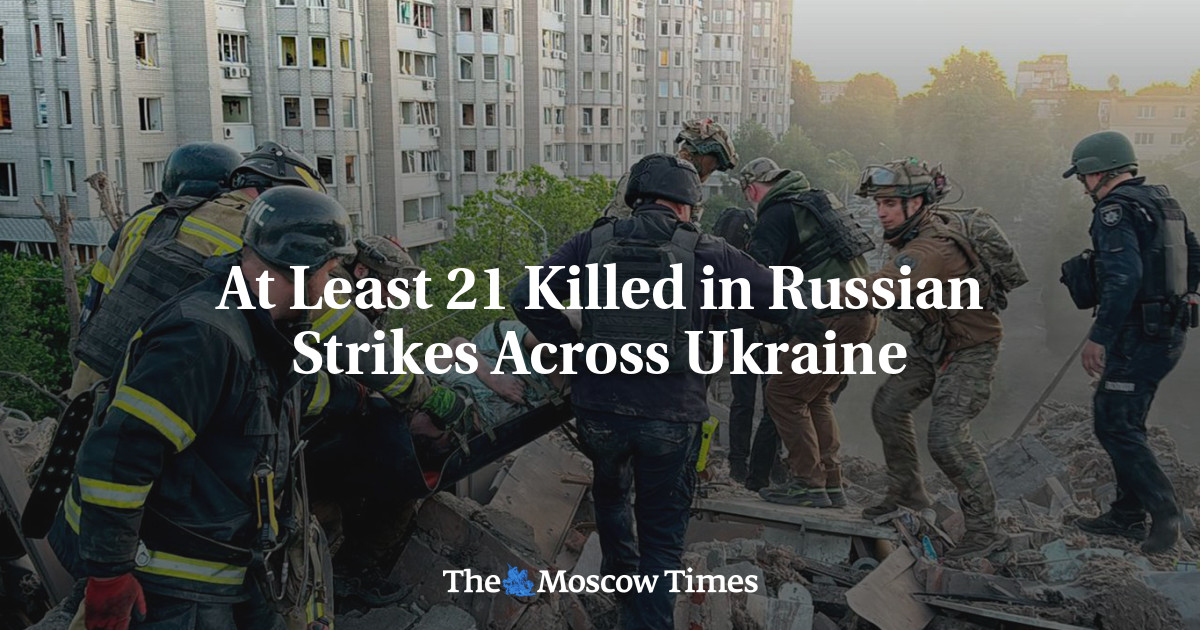
The real constraint on this conflict is now industrial capacity and munitions production, not troop numbers. Russia's 500,000 casualty figure means it is replacing losses through conscription and mobilization — expensive in manpower, not in capital. Ukraine's capacity to replace destroyed air defense systems, drones, and artillery depends on Western resupply and its own production.
If Russia can sustain strike operations against Ukrainian production while Ukraine cannot fully replace losses, Russia wins the attrition war by default. The three-month escalation cycle suggests both sides are testing whether the other will break first.
This is routine attrition warfare in an active conflict already three months into sustained mutual strikes.
Russia and Ukraine are locked in a cycle where each side targets the other's military-industrial base and logistics networks — neither side is achieving strategic advantage, and neither is backing down. The casualty count (11 dead) and target set (production plants, transport) are consistent with the operational tempo established over the past 72 hours, not a new escalation.
What matters is whether Russia can sustain this targeting pace while absorbing Ukrainian strikes on its own bases — GCHQ assessed 500,000 Russian casualties as of late May, and Ukraine destroyed two Tu-142 maritime patrol aircraft and an Iskander system at Taganrog on May 30, suggesting Ukrainian counter-strikes are degrading Russian air and missile capacity.
Watch whether Russian strike frequency drops in the next 14 days (indicating attrition of strike aircraft or munitions), or whether it holds steady (indicating Russia has solved its logistics problem).
Does the Russian Defense Ministry claim specify which defense plants were hit, or is this a generic assertion? If actual production capacity was damaged, Ukrainian procurement timelines would compress — but the article provides no damage assessment.
Fault Lines
Strategic intelligence, synthesized daily — with a public track record. Every call graded against what actually happened.