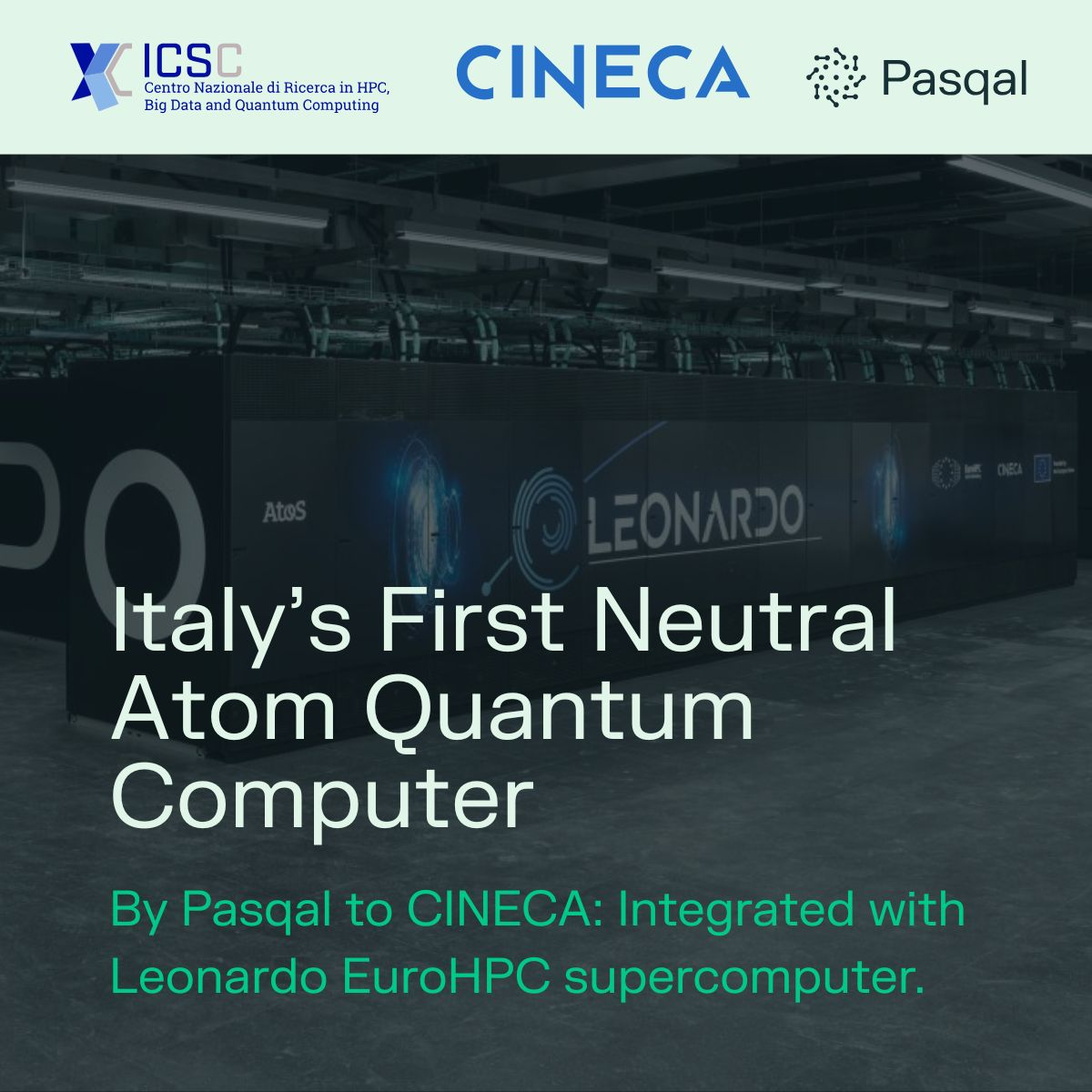
Pasqal Delivers 140-Qubit System to Italy, Advancing EU Quantum-HPC Sovereignty
Neutral atom quantum systems are dual-use; cryptanalysis capabilities threaten current encryption standards that protect NATO communications and allied intelligence sharing.
If CINECA becomes a certified node in EU/NATO quantum infrastructure, it creates a procurement pathway for other European defense ministries, fragmenting the current U.S.-dominated quantum supply chain and forcing NATO to develop cross-border quantum-secure protocols.
Conversely, if the system remains research-only, it signals European quantum ambitions outpace actual defense integration, leaving NATO dependent on U.S. quantum resources for operational security.
This deployment advances European technological autonomy in quantum computing, reducing dependence on U.S. or Chinese quantum platforms for sensitive computational work.
For defense-relevant applications—cryptanalysis, logistics optimization, materials simulation—a European-controlled quantum resource eliminates supply chain risk and potential export restrictions.
However, a single 140-qubit system is a capability demonstration, not a production-scale asset; its actual utility for classified defense work depends on integration protocols, error rates, and CINECA's security clearance status, none of which the article addresses. This matters most if it catalyzes follow-on procurements by NATO members or EU defense agencies.
The article does not disclose: (1) whether this system will support classified defense applications or is research-only; (2) CINECA's current security certification or timeline to handle sensitive work; (3) Pasqal's other customers or contracts in defense/intelligence sectors; (4) whether EU member...
Fault Lines
Strategic intelligence, synthesized daily — with a public track record. Every call graded against what actually happened.