Air Force Requests $1.5B to Restore E-7A Wedgetail Funding in FY2027
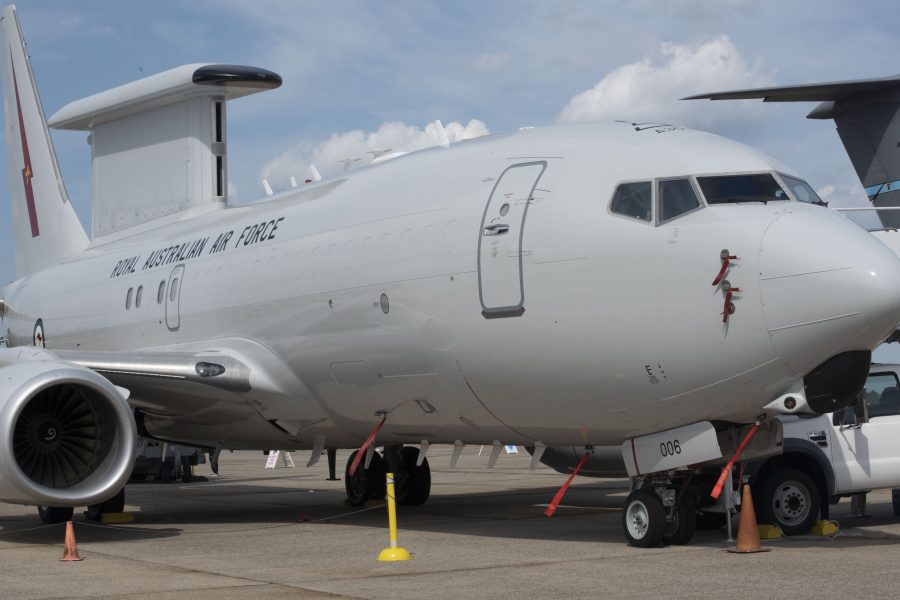
The $1.5B commitment is real but conditional. If approved, it anchors E-7A production at roughly 2-3 aircraft per year (assuming unit cost ~$500-600M including development). That cadence is half the rate needed to replace the aging E-3 fleet on the original timeline.
Stretched procurement means the Air Force will operate a mixed fleet of E-3s and E-7As into the 2040s, driving up sustainment costs — a drag on the same O&M budget that funds pilot training and readiness. Watch whether the FY28 budget request holds the line at $1.5B or drops back to zero, which would signal the amendment was a one-time concession rather than a strategic commitment.
The restoration signals a reversal of earlier budget cuts and commits sustained funding to a platform the Air Force had deprioritized — but the mechanism matters: Meink framed this as a budget amendment, not a baseline request, which means the Air Force is asking Congress to find $1.5B elsewhere in the FY27 topline or accept a supplemental.
That's a constraint. The E-7A competes for funds against munitions acceleration (10,000+ Low-Cost Containerized Missiles on order), hypersonic development, and the B-21 production ramp — all flagged as higher priority in recent testimony. If Congress approves the amendment without offset, the Air Force signals that ISR modernization now outranks production surge.
Watch the House Armed Services markup in June for whether the committee approves the amendment or forces a tradeoff.
Did the Air Force originally plan to kill E-7A funding in FY27, or was this a placeholder decision pending the Wedgetail operational assessment? The timing — right after INDOPACOM characterized Balikatan 2026 as a full-scale defense rehearsal — suggests ISR gaps in the Pacific drove the reversal.
Fault Lines
Strategic intelligence, synthesized daily — with a public track record. Every call graded against what actually happened.