PT PAL delays Philippine Navy sealift order; first vessel now due end-2026
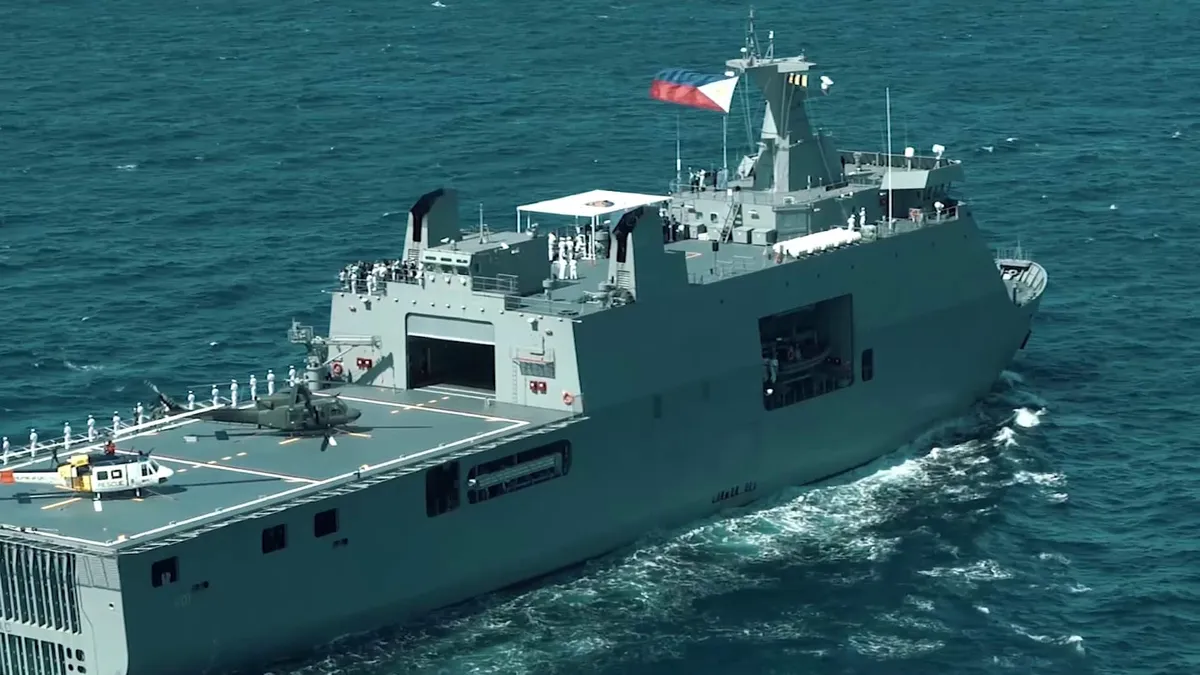
PT PAL's execution shortfall on a Philippine Navy repeat order exposes a supply-side constraint in Indo-Pacific naval modernization. If Indonesia's largest shipyard cannot reliably deliver on schedule, regional navies may need to seek alternative yards (South Korean, Japanese, or Singaporean) or accept longer timelines.
This directly affects the pace at which smaller Southeast Asian navies can upgrade sealift and amphibious capability—a capability gap Beijing has exploited in competing for influence in the South China Sea.
This is a single-country procurement delay with no immediate bearing on regional force posture or allied interoperability.
The delay affects Philippine Navy readiness for littoral operations in the South China Sea, but the 4-year gap between contract signature (June 2022) and expected delivery (end-2026) was already baked into planning. More relevant: PT PAL's execution risk on a repeat order raises questions about Indonesia's shipbuilding capacity to support allied naval modernization in the Indo-Pacific.
If PT PAL cannot meet contractual milestones on a $100M vessel, this signals execution constraints that could ripple through other regional sealift programs—but the article provides no data on PT PAL's other commitments or the severity of the delays. Watch whether the Philippines or other regional navies (Vietnam, Malaysia, Thailand) respond by diversifying away from Indonesian yards.
What specific contractual milestones were missed, and by how many months? Are there penalties or cost overruns? Does PT PAL have other regional naval contracts at risk, and what is the shipyard's current backlog and capacity utilization?
Fault Lines
Strategic intelligence, synthesized daily — with a public track record. Every call graded against what actually happened.