US Fires Tomahawk from Typhon Launcher in Philippines; First Operational Test Amid Hormuz Escort Pause
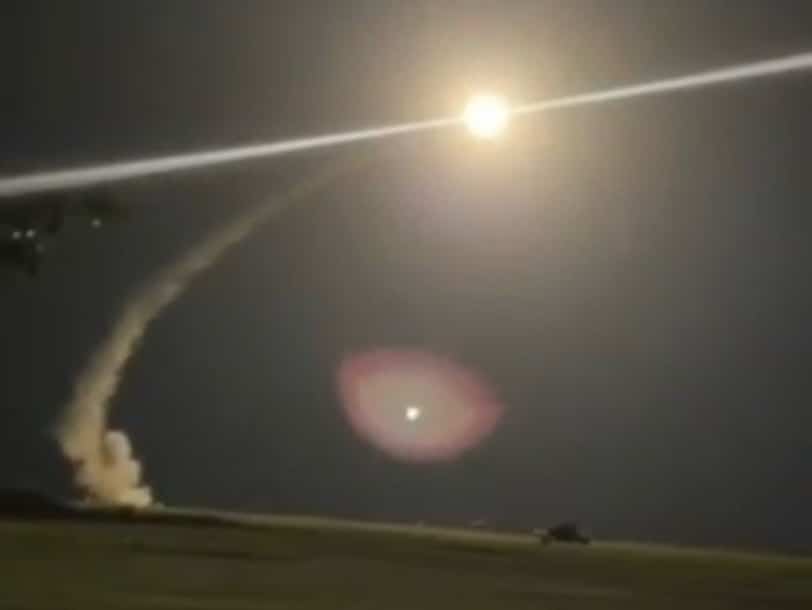
The Typhon deployment to the Philippines is not a response to Hormuz escalation—it predates Project Freedom by months in planning. But the test timing, sandwiched between Iran's May 4 attacks and Trump's May 5 pause, creates an optics problem: the U.S. is simultaneously de-escalating with Iran and hardening strike posture against China.
If the pause extends and a negotiated settlement emerges, the Typhon footprint remains. This forces Beijing to assume the worst-case posture (Taiwan contingency readiness) even in a lower-temperature U.S.-Iran environment. The Philippines gains leverage: the U.S. now has infrastructure sunk into Leyte and needs political cover for sustained access.
The timing—during Trump's pause on Project Freedom escort operations—signals the U.S. is advancing land-based strike infrastructure in the Indo-Pacific independent of the Hormuz negotiation cycle.
Typhon's deployment to the Philippines creates a persistent 2,000+ km strike footprint into the South China Sea and toward the Taiwan Strait, operational whether or not the administration pursues near-term Iran diplomacy. The test validates the system's interoperability with Philippine facilities and demonstrates that INDOPACOM now has a shore-based Tomahawk platform outside the carrier strike group dependency.
Watch for follow-on basing announcements at Subic Bay or Clark Air Base, which would formalize the capability and lock it into the AUKUS industrial supply chain.
Did the test include Japanese or Australian liaison officers, or was this a purely bilateral U.S.-Philippines operation? If multilateral, Typhon becomes part of the AUKUS strike architecture; if bilateral-only, it's a hedge against AUKUS consensus delays.
Fault Lines
Strategic intelligence, synthesized daily — with a public track record. Every call graded against what actually happened.