Texas AG Sues TP-Link for Unpatched Firmware Vulnerabilities Enabling Chinese State Access
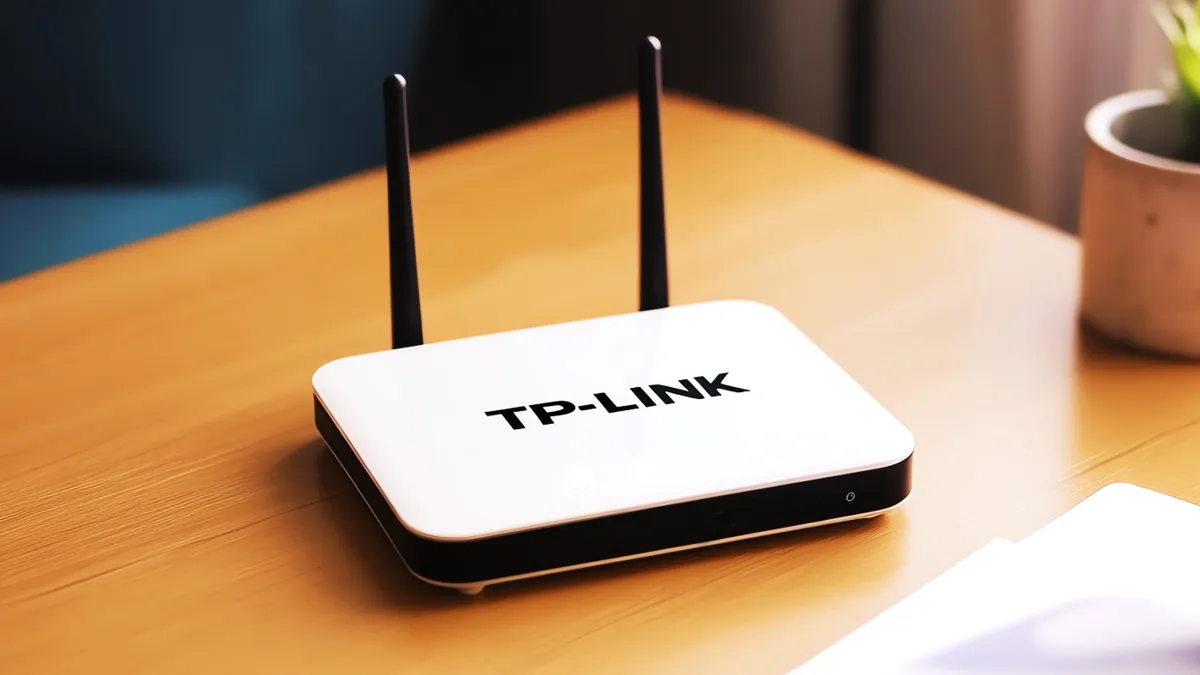
Unpatched firmware vulnerabilities in consumer-grade networking equipment create persistent backdoors into contractor networks—routers are typically trusted implicitly and sit outside endpoint detection systems.
If Chinese state actors harvested credentials or network diagrams from TP-Link compromises, that intelligence feeds targeting of higher-value systems (design tools, supply chain databases, contract repositories).
This forces a re-evaluation of equipment qualification standards: DoD and CISA may now require firmware provenance audits and mandatory patch-within-X-days clauses for all network appliances, similar to semiconductor traceability requirements. Contractors with TP-Link equipment in classified or controlled unclassified networks face immediate compliance reviews.
This case targets a critical supply-chain vulnerability: TP-Link routers are ubiquitous in U.S. enterprise and government contractor networks as edge devices and remote access gateways.
If the allegations hold—that vulnerabilities were left unpatched despite knowledge—this establishes liability precedent for firmware negligence and creates immediate risk assessment pressure on federal agencies and defense contractors using TP-Link equipment.
The lawsuit may force disclosure of which vulnerabilities, how long they persisted, and whether Chinese intelligence harvested credentials or network topology from compromised routers. For procurement teams, this triggers urgent questions about TP-Link's current patch cadence, whether affected models remain in supply chains, and whether similar vulnerabilities exist in competing products (Netgear, Asus, D-Link).
The broader exposure depends on how many defense industrial base (DIB) networks rely on TP-Link for VPN gateways, branch office connectivity, or IoT management—a number not disclosed here but likely substantial given market penetration.
The article does not specify: which TP-Link product lines are affected, the timeline and duration of the vulnerability exposure, how many devices were compromised, whether the Chinese exploitation targeted specific contractors or sectors, or what remediation steps TP-Link has since taken.
Fault Lines
Strategic intelligence, synthesized daily — with a public track record. Every call graded against what actually happened.