Ukrainian Drone Strike Ignites Russian Oil Terminal, Disrupting Fuel Supply to Front Lines
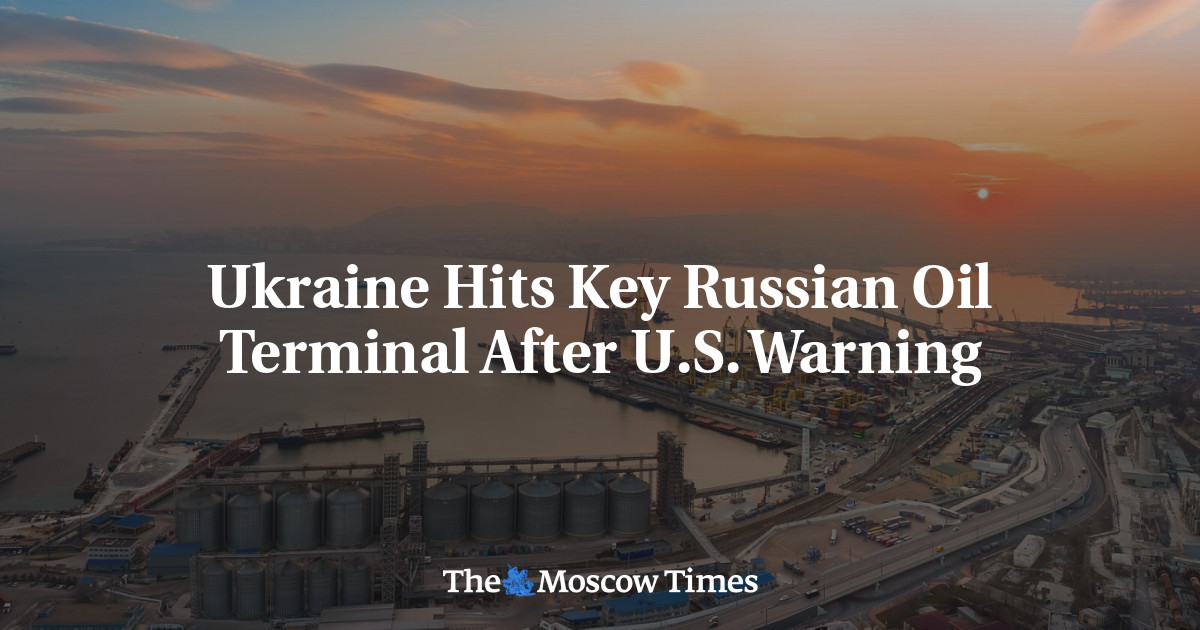
Sustained attacks on Russian fuel terminals force Moscow to either accept reduced logistics capacity (weakening front-line operations) or invest in hardening and redundancy (diverting military spending from procurement). If Ukraine can strike multiple terminals repeatedly, Russian fuel distribution becomes a binding constraint on offensive operations, shifting the war's tempo from attrition to logistics competition.
This directly affects force projection timelines and sustainment costs for both sides.
If confirmed, this strike targets Russian military logistics directly — fuel supply to combat forces.
The significance depends on three unknowns: (1) the duration and extent of terminal downtime, (2) whether Russia can reroute supply via alternative terminals or rail, and (3) whether Ukraine can sustain such strikes at scale. A one-time incident does not degrade Russian logistics; repeated strikes that force costly redundancy or reduce throughput do.
Defense contractors supporting Ukraine's drone programs (General Atomics, AeroVironment) and logistics-focused intelligence firms may see increased demand for targeting data. Russian energy firms and their Western insurance/logistics partners face heightened operational risk if terminal attacks become systematic.
The article does not specify: damage assessment (partial fire vs. total loss), repair timeline, current terminal capacity utilization, or whether this represents a one-off strike or the start of a coordinated campaign against Russian energy infrastructure.
Fault Lines
Strategic intelligence, synthesized daily — with a public track record. Every call graded against what actually happened.