Ukrainian Drones Strike Moscow Airports; Third Major Attack in Four Days Compounds Russian Air Infrastructure Degradation
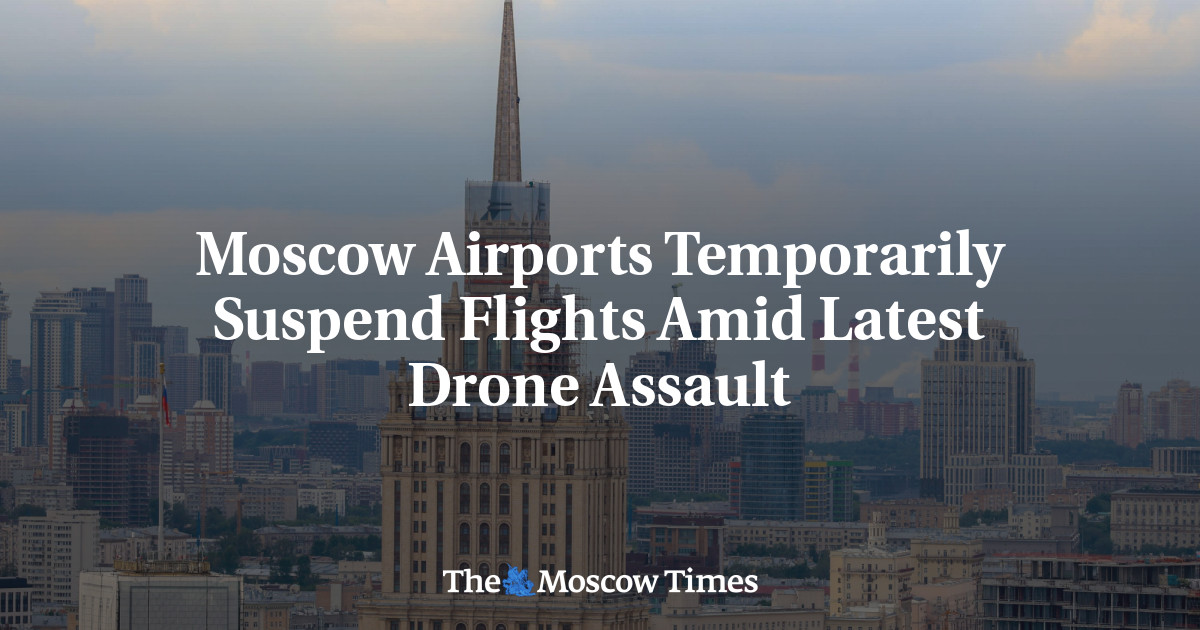
The escalation chain is now visible: refinery strikes reduce fuel supply → fuel rationing forces logistics constraints → simultaneous airport strikes compound the effect by disrupting air-bridge alternatives.
If Ukrainian drone production can sustain three strikes per week on Moscow-region targets, Russian military logistics enter a new phase of vulnerability — ground supply lines become the only reliable option, which extends transit times and increases exposure to Ukrainian interdiction.
Ukraine is now executing coordinated strikes on Moscow's dual-use infrastructure — energy and aviation — creating compounding attrition on Russian logistics and command-and-control networks.
The three strikes in four days (June 16, 18, 19 per prior Fault Lines signals, now extended to June 21-22) indicate either a sustained drone production surge or a deliberate campaign to degrade Moscow's ability to sustain operations in Ukraine.
The airport closures matter because they disrupt military airlift rotations: if Moscow loses reliable air corridor access for 48+ hours at a time, casualty evacuation and ammunition resupply to forward units face delays.
Watch whether Russian air defense claims match damage assessments from Ukrainian sources — a widening gap signals either saturation of Russian SAM capacity or intentional Russian understatement of losses.
Are these strikes coordinated with a specific Ukrainian operational tempo (e.g., synchronized with ground offensives), or are they opportunistic responses to Russian air defense gaps? The pattern suggests targeting, not just harassment.
Fault Lines
Strategic intelligence, synthesized daily — with a public track record. Every call graded against what actually happened.